

Golf courses typically require a variety of vehicles to support daily operations. From transporting players and providing caddie services to hosting members, maintaining the turf, and hauling equipment, different roles demand specific vehicle configurations—varying in seating capacity, load-bearing capability, and operational performance.
Effective management of golf course vehicles requires a well-structured system that accounts for the course layout, daily foot traffic, road conditions, and maintenance requirements.
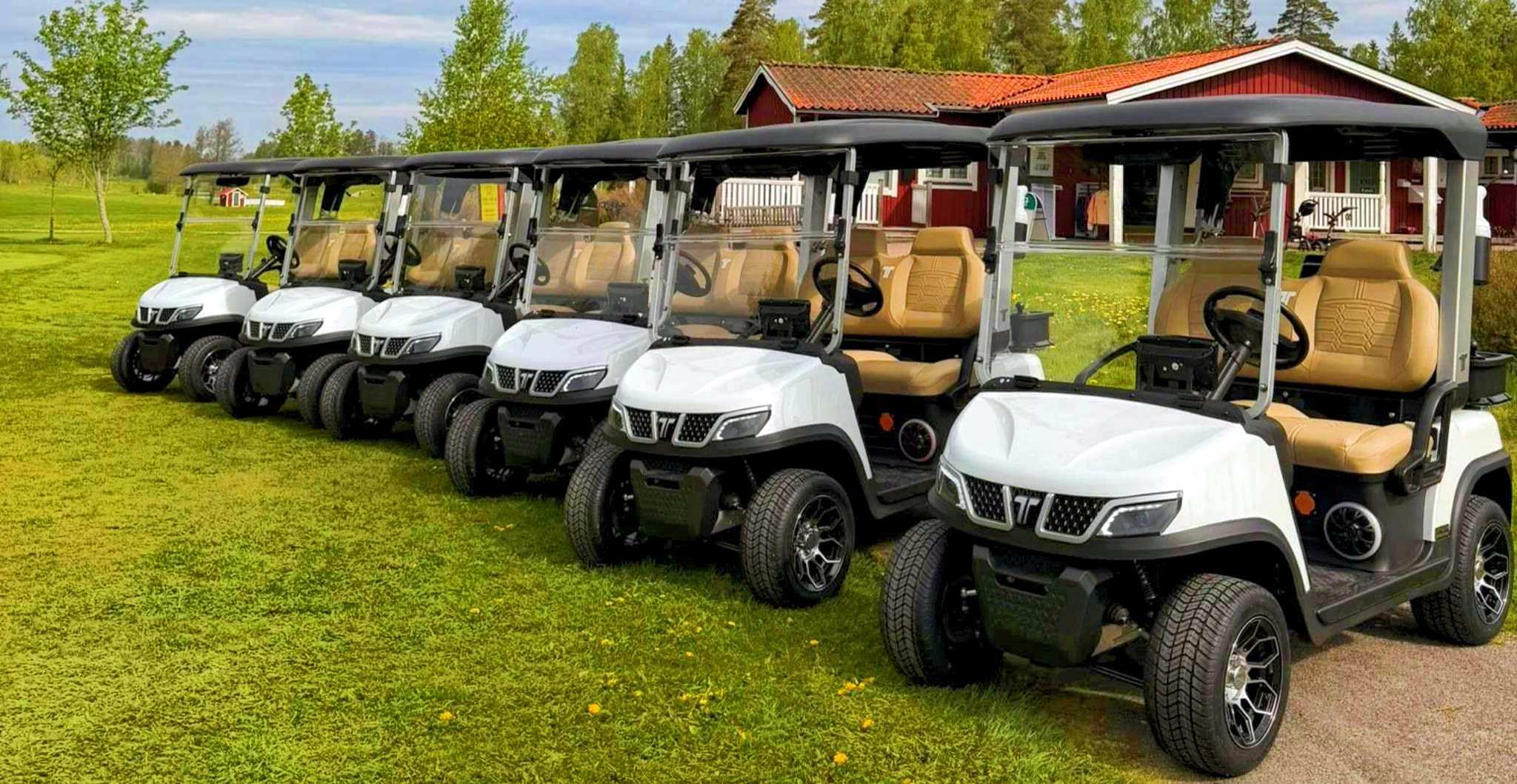
Tara Golf Carts offers two-seater and four-seater golf carts, as well as utility vehicles, designed to meet the diverse transportation and operational needs of a professional golf facility.
Vehicle Types
Golf course vehicles are generally categorized into passenger vehicles and utility/work vehicles.
Two-seater electric golf carts are primarily used for transporting players and their golf bags. Clubs that offer caddie services may also require dedicated configurations for caddie stations. Four-seater models are well-suited for hosting members, shuttling visitors, and transporting tournament staff.
The maintenance department typically requires utility vehicles equipped with cargo boxes for transporting tools, fertilizers, repair parts, and other operational materials.
Tara’s product lineup—including the Spirit Pro, Spirit Plus, Harmony, Roadster 2+2, Explorer 2+2, and the Turfman series—allows for the selection of the right vehicle for every specific task.
Route Planning
Golf course paths typically connect the clubhouse, tee boxes, fairways, driving ranges, maintenance facilities, and parking areas. As the number of vehicles increases, it becomes essential to establish clear, designated routes for different types of traffic.
Player carts should follow established cart paths or areas specifically permitted for such use. Maintenance vehicles should utilize service roads to access equipment and work zones, while guest-shuttling vehicles should be routed to efficiently serve the clubhouse, parking lots, and other visitor-accessible areas.
Route planning should also clearly identify intersections, high-pedestrian-traffic zones, and restricted areas. A well-defined routing strategy helps minimize interference between different vehicles.
Turf Protection
Vehicle traffic has a continuous impact on the turf.
Factors such as vehicle weight, tire specifications, turning maneuvers, and ground moisture levels all affect the condition of the turf. Repeated travel over wet or soft ground can lead to soil compaction, tire ruts, and damage to the turf surface. Golf courses should establish “Cart Path Only” rules based on weather conditions, turf maintenance schedules, and path conditions, restricting access to specific areas when necessary. Drivers must also be familiar with the regulations regarding the use of golf carts near greens, tee boxes, and other sensitive areas.
Safety Rules
Since golf courses are shared by players, caddies, maintenance staff, and pedestrians, a unified standard for vehicle safety management is essential.
Daily management should encompass speed limits, designated parking zones, right-of-way rules at intersections, and regular vehicle inspections. Tires, braking systems, steering, lighting, and other safety-critical components must be checked periodically according to a maintenance schedule.
Furthermore, operators in different roles should receive specialized training to ensure that vehicles are driven along designated routes and at appropriate speeds.
Daily Operations
The demand for golf course vehicles fluctuates throughout the day.
The morning is typically a peak period for player departures, while maintenance teams must schedule their work in alignment with turf care requirements. During tournaments or corporate events, additional traffic—including tournament staff, officials, and guests—further increases demand.
Courses can coordinate vehicle usage and charging schedules based on tee times, maintenance windows, and event calendars to prevent conflicts between passenger transport and maintenance operations.
Tara Fleet
Tara Golf Carts offers a diverse range of professional-grade golf course vehicles.
The Spirit Pro and Spirit Plus are designed for two players. The Harmony model, equipped with a caddie stand platform and aluminum handrails, is ideal for clubs that provide caddie services.
The Roadster 2+2 and Explorer 2+2 feature a four-seat configuration, suitable for hosting members or transporting groups. The Turfman 450, 700, 700 EEC, and 1000 models are designed to handle various course maintenance and material transport tasks.
Tara also offers an optional GPS Fleet Management System, which allows managers to monitor vehicle locations, battery state-of-charge (SoC), usage history, and other fleet-related data.
Fleet Solutions
Managing vehicles on a golf course requires aligning vehicle selection with the facility’s specific operational workflows.
Tara provides a tailored mix of two-seater carts, four-seater models, and utility vehicles to meet the diverse needs of player transport, caddie services, member hospitality, and course maintenance. Additionally, options such as LiFePO4 lithium batteries, golf course accessories, custom body configurations, and GPS management systems can be tailored to the specific needs of your project.
For clubs developing new courses or planning to upgrade their existing fleets, defining the required number of vehicles, operational routes, daily usage frequency, and charging infrastructure in advance will help establish a vehicle configuration optimized for long-term operations.
FAQs
What Vehicles Are Used on Golf Courses?
Common vehicles used on golf courses include two-seater golf carts, four-seater hospitality/shuttle carts, models designed for caddies, and utility vehicles—all serving purposes ranging from player transport and member hospitality to daily course maintenance.
Can Utility Vehicles Drive on Golf Course Fairways?
Whether utility vehicles are permitted on fairways depends on course regulations, turf conditions, and the specific tasks being performed. Maintenance teams should adhere to designated routes and restrict vehicle access as necessary to protect the turf.
How Do Golf Courses Protect Turf From Vehicles?
Golf courses typically minimize the impact of vehicles on turf by establishing designated cart paths, restricting access to sensitive areas, implementing temporary traffic controls (especially after rain), and enforcing strict driving guidelines.
What Golf Cart Is Suitable for Caddie Services?
Vehicles intended for caddie services require a dedicated standing area for caddies. The Tara Harmony, for instance, features a “Caddie Stand Platform,” making it an ideal choice for clubs that utilize caddie services.
Does Tara Supply Different Vehicles for Golf Course Operations?
Yes. Tara offers a range of vehicles—including two-seaters, four-seaters, caddie-specific models, and electric utility vehicles—designed for player transport, member hospitality, tournament operations, and course maintenance.
Post time: Nov-02-2026


