

The term golf cart once referred to a single type of vehicle used exclusively on golf courses. Today, the industry has evolved into a diverse market that serves golf facilities, resorts, residential communities, commercial properties, and maintenance operations.
As vehicle applications continue to expand, understanding the different types of golf carts has become increasingly important for buyers, dealers, and fleet operators. Modern golf vehicles are now classified not only by seating capacity, but also by operating environment, vehicle architecture, and intended use.
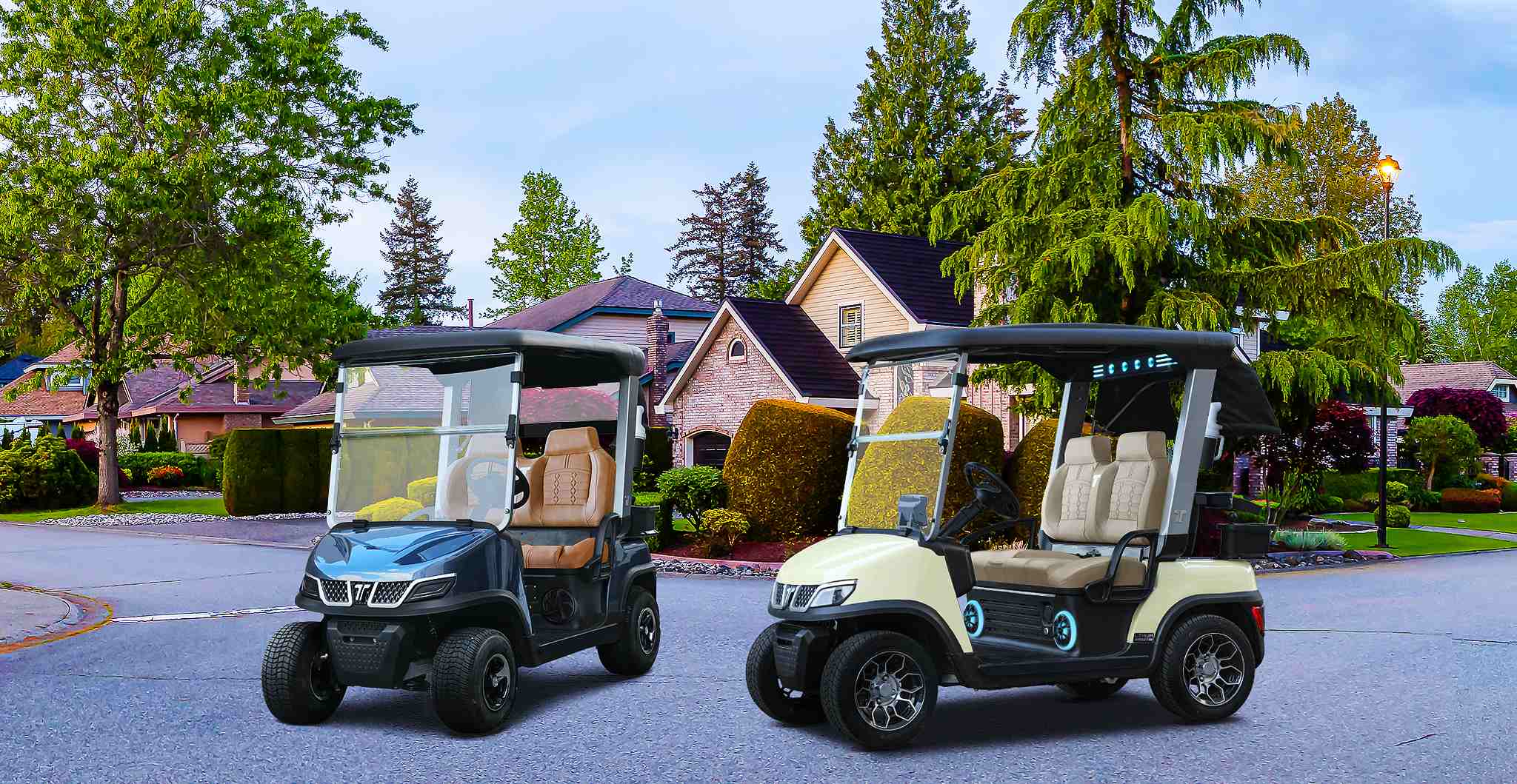
Fleet Golf Carts
Fleet vehicles remain the foundation of the golf industry.
These carts are designed specifically for daily operation on golf courses, where reliability, efficiency, and low operating costs are critical. Fleet carts typically prioritize:
Easy maintenance
Consistent performance
Comfortable seating
Efficient charging
High vehicle availability
Golf clubs and resort operators often purchase these vehicles in large quantities, making fleet durability a major consideration.
Models such as the Tara Harmony and Tara Spirit series belong to this category, serving golfers throughout regular course operations.
Personal Transportation Vehicles
Another growing category includes personal-use vehicles designed for residential communities and recreational transportation.
These vehicles are commonly used for:
Neighborhood transportation
Community mobility
Vacation properties
Private estates
Local commuting
Compared with traditional fleet vehicles, personal transportation carts often emphasize styling, passenger comfort, and convenience features.
The increasing popularity of Neighborhood Electric Vehicle applications has significantly expanded this segment.
Forward-Facing Multi-Passenger Vehicles
One of the fastest-growing types of golf carts is the forward-facing multi-passenger configuration.
Unlike traditional rear-facing seating designs, these vehicles allow all occupants to face the direction of travel.
Advantages include:
Improved passenger comfort
Better visibility
Easier communication
Enhanced accessibility
Vehicles such as the Tara Roadster 2+2 and Explorer 2+2 illustrate how modern passenger layouts have evolved to meet changing customer expectations.
Utility Golf Vehicles
Not all golf vehicles carry golfers.
Utility vehicles are commonly used for:
Course maintenance
Groundskeeping
Equipment transportation
Resort operations
Property management
Cargo capacity, durability, and operational efficiency become more important than passenger capacity in these applications.
The Tara Turfman represents this category, providing practical transportation solutions for maintenance teams and commercial operations.
Lithium Electric Vehicles
Battery technology has created another important classification.
Many buyers now distinguish between traditional battery systems and Lithium Golf Cart platforms.
Lithium-powered vehicles offer:
Faster charging
Longer battery life
Reduced maintenance
Improved energy efficiency
As the industry continues to transition toward advanced battery systems, lithium technology increasingly influences how buyers evaluate different vehicle categories.
Application Matters More Than Size
Many customers still classify golf carts simply by the number of seats. However, modern vehicle selection is increasingly based on operational requirements.
Questions buyers now ask include:
Where will the vehicle operate?
Who will use it?
How many hours will it run each day?
What maintenance support is required?
Does the vehicle serve transportation or utility purposes?
Understanding these factors often provides a better framework than seat count alone.
Conclusion
The various types of golf carts reflect the continued evolution of electric mobility. From golf course fleets and residential transportation to utility vehicles and premium passenger models, today’s market offers specialized solutions for different environments.
As manufacturers continue developing new platforms and technologies, choosing the right golf cart increasingly depends on application, operational needs, and long-term usage rather than simply selecting a vehicle with the correct number of seats.
Post time: Jun-30-2026


