

Standard golf course fleets usually include basic equipment such as roofs, windshields, golf bag holders, and scorecard holders. Some courses, however, need specialized configurations to accommodate local climates, premium services, tournament requirements, or unique operating conditions.
Features such as air conditioning, built-in refrigerators, heated batteries, full soft enclosures, and custom scorecard holders remain less common across conventional open-air fleet carts. Each addresses a specific operational need and can change how a golf cart is used throughout the season.
Cooling Systems for Hot Climates
In regions with intense summer heat, passenger comfort can become a significant concern during long rounds and extended outdoor operations.
Electric fans provide additional airflow around the driver and passengers. They are suitable for open-air carts, where natural ventilation is already available.
Air conditioning requires a more integrated solution. A conventional AC system works best with a suitably enclosed cabin and an electrical platform designed to handle its power demand. Fully enclosed golf and utility vehicles with factory-installed heating and air conditioning have entered the market, although this remains a specialized configuration compared with conventional open-air fleet carts.
For courses operating in very hot climates, these systems offer different levels of cooling, from increased airflow to active cabin temperature control.
Built-In Refrigerators
Beverage storage is a familiar golf cart feature, but refrigeration options differ considerably.
A Caddy Master Cooler provides insulated storage for drinks. A built-in refrigerator actively cools beverages using a powered refrigeration system.
For golf resorts, premium clubs, and courses with extensive on-course beverage service, a built-in refrigerator can provide a more dedicated solution for keeping drinks chilled during the day.
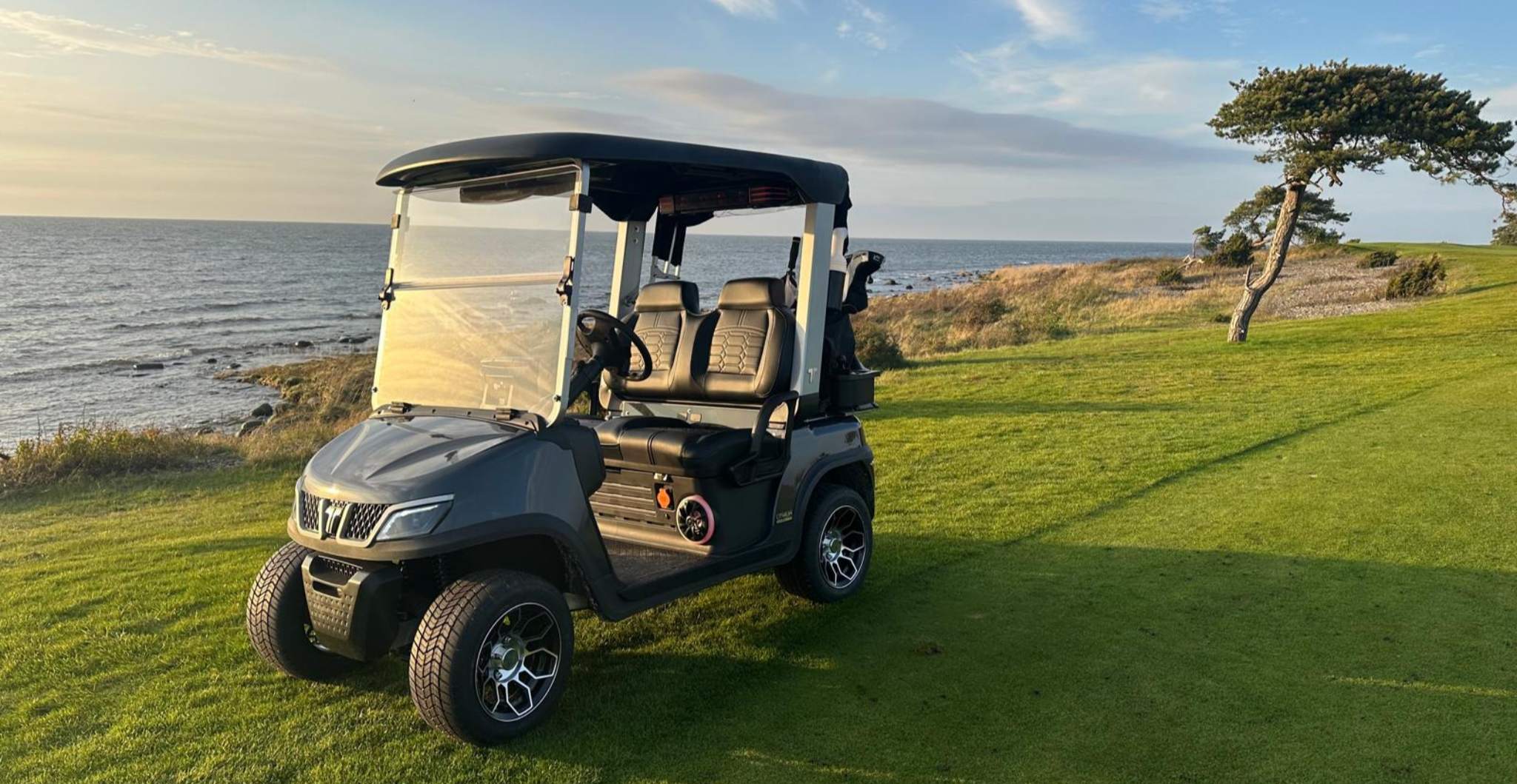
Tara Spirit Plus offers a built-in refrigerator as an optional feature, alongside its Caddy Master Cooler configuration. This gives the model two distinct beverage-storage options for different service requirements.
Heated Seats and Passenger Heating
Cold-weather courses may require additional passenger comfort features, particularly during early tee times and extended autumn or winter operations.
Heated seats use integrated heating elements or compatible seat-heating accessories to warm the passenger seating area. Other specialist configurations use cabin heaters, usually in combination with suitable enclosures.
These features are available for selected golf carts through specialist suppliers.
Battery Heating for Cold Regions
Low temperatures affect lithium battery charging and performance. Golf courses operating through cold winters may therefore require heated lithium battery systems.
A battery heater helps maintain a suitable battery temperature under low-temperature conditions, subject to the battery manufacturer’s operating and charging specifications. This is particularly relevant where carts are stored in unheated buildings or need to be charged during cold periods.
Tara offers optional battery heating for cold-climate applications. The configuration addresses battery temperature management and supports winter fleet operation.
Full Soft Enclosures
A full soft enclosure uses flexible panels, commonly with clear windows and closable sections, to provide additional coverage around an open golf cart.
This configuration is useful for courses exposed to persistent rain, wind, and low temperatures. It can help protect passengers and seating areas while allowing the vehicle to retain a flexible, open-air layout when the enclosure is opened or removed.
The exact design depends on the vehicle, roof, windshield, and seating arrangement. A soft enclosure also differs from a fully enclosed cabin with integrated heating or air conditioning; the two configurations offer different levels of weather protection and climate control.
Custom Scorecard Holders
Golf courses do not all use the same scorecard format. Some use larger printed cards, separate yardage guides, local-rule sheets, or tournament-specific documents.
A custom scorecard holder can be configured around the club’s printed materials, with suitable dimensions, a pencil slot, and a mounting position that keeps the card accessible during play.
Tara Spirit Plus already features a scorecard holder and pencil slot. For clubs with special card formats or tournament requirements, the holder’s dimensions and layout can be treated as a separate customization requirement.
In-Cart Screens and GPS Features
Digital configuration is another area where fleet requirements can differ significantly.
A golf cart touchscreen can display course maps, hole information, and operational messages. When connected to a compatible GPS fleet management platform, it may also support pace-of-play information, food and beverage ordering, and on-screen advertising.
Tara’s GPS Fleet Management System supports interactive course maps, in-cart messaging, food and beverage ordering, and advertising displays. These functions allow the golf cart to serve as a communication point between the course and its players.
Configurations Beyond the Standard Fleet
Special golf cart configurations often reflect a specific regional or operational requirement. Cooling systems address extreme heat, refrigerators serve on-course beverage needs, heated batteries support cold-weather operation, and full enclosures extend protection during wet or windy conditions. Custom scorecard holders and digital displays accommodate course-specific workflows.
Tara’s current configurations include options such as built-in refrigerator, battery heating for cold climates, scorecard holders, and GPS-based course functions. Other features, including passenger heating and integrated air conditioning, require separate confirmation of product availability and vehicle compatibility.
As golf courses adapt their fleets to local conditions and service expectations, these specialized features provide additional ways to configure vehicles around the actual demands of course operations.
Post time: Oct-28-2026


