

Golf carts are widely used for clubhouse transportation at golf courses, resorts, country clubs, and private estates. They can move members and guests between the clubhouse, parking areas, practice facilities, locker rooms, villas, restaurants, and other locations across the property.
For operators, a clubhouse transportation vehicle needs to match the site’s traffic pattern and passenger requirements. Seating capacity, vehicle dimensions, ride comfort, battery capacity, weather protection, and daily service requirements all affect the suitability of a golf cart for this role.
Define the Transportation Route
The first step is to identify where the vehicle will operate.
A clubhouse cart may run between the main entrance and clubhouse throughout the day. Other vehicles may serve parking areas, practice facilities, accommodation buildings, or restaurant areas. Some properties have short paved routes, while others include grass, uneven surfaces, slopes, or mixed-use roads.
Route conditions influence several vehicle specifications:
Passenger capacity
Ground clearance
Tire selection
Suspension setup
Braking performance
Battery capacity
Rain enclosures
A short and flat route may require a different configuration from a large resort where vehicles cover long distances several times per day.
Choose the Right Seating Capacity
Passenger demand should determine the basic cart configuration.
A 2-seater golf cart works well for individual member assistance, staff transportation, and low-volume shuttle duties. Four-seat models are suitable for families, small groups, and regular clubhouse transfers. Larger seat configurations can support busy periods when several passengers need transportation at the same time.
The seating layout also affects vehicle movement. Forward-facing seats can provide a familiar passenger experience for shuttle services, while additional rear seating can increase capacity within a compact fleet footprint.
For properties with different transportation requirements, using several vehicle configurations can help assign vehicles according to actual demand.
Focus on Passenger Comfort
Clubhouse transportation often involves members and guests who may expect a comfortable ride during short transfers.
Seat cushioning, legroom, handrails, suspension, windshield design, roof coverage, and entry access all affect the passenger experience. In areas with frequent rain or strong sunlight, weather protection becomes an important fleet specification.
Match the Battery to Daily Use
Clubhouse shuttle vehicles can complete many short trips during a typical operating day. Repeated acceleration, passenger loading, and frequent stops create a different usage pattern from occasional private driving.
Lithium golf carts can provide consistent energy delivery and convenient fleet operation. Battery capacity should still be selected according to route length, daily operating hours, passenger load, terrain, and charging opportunities.
Charging facilities should be planned together with the fleet. Operators should know how many vehicles need to be charged after peak operating periods and whether the available electrical infrastructure can support the fleet.
Plan for Daily Maintenance
Clubhouse transportation vehicles should be inspected regularly because they may be used throughout the day by different drivers and passengers.
Daily checks can include tires, brakes, steering, lights, windshield condition, seats, roof, battery status, and visible body damage. Vehicles carrying guests should also receive regular cleaning and interior checks.
Manage the Fleet
Larger properties may operate several vehicles across different areas. Fleet visibility helps managers understand where vehicles are operating and how they are being used.
Tara GPS Fleet Management System can provide real-time vehicle tracking, geofencing, speed monitoring, Battery SoC monitoring, usage history, and remote lock or unlock functions. These tools can support day-to-day management when vehicles are distributed across a large golf course or resort property.
Operators can also use usage data to identify busy periods, frequently used vehicles, and vehicles that require additional maintenance attention.
Select a Suitable Fleet
Clubhouse transportation requires a vehicle configuration that fits the property’s route, passenger flow, operating environment, and service schedule.
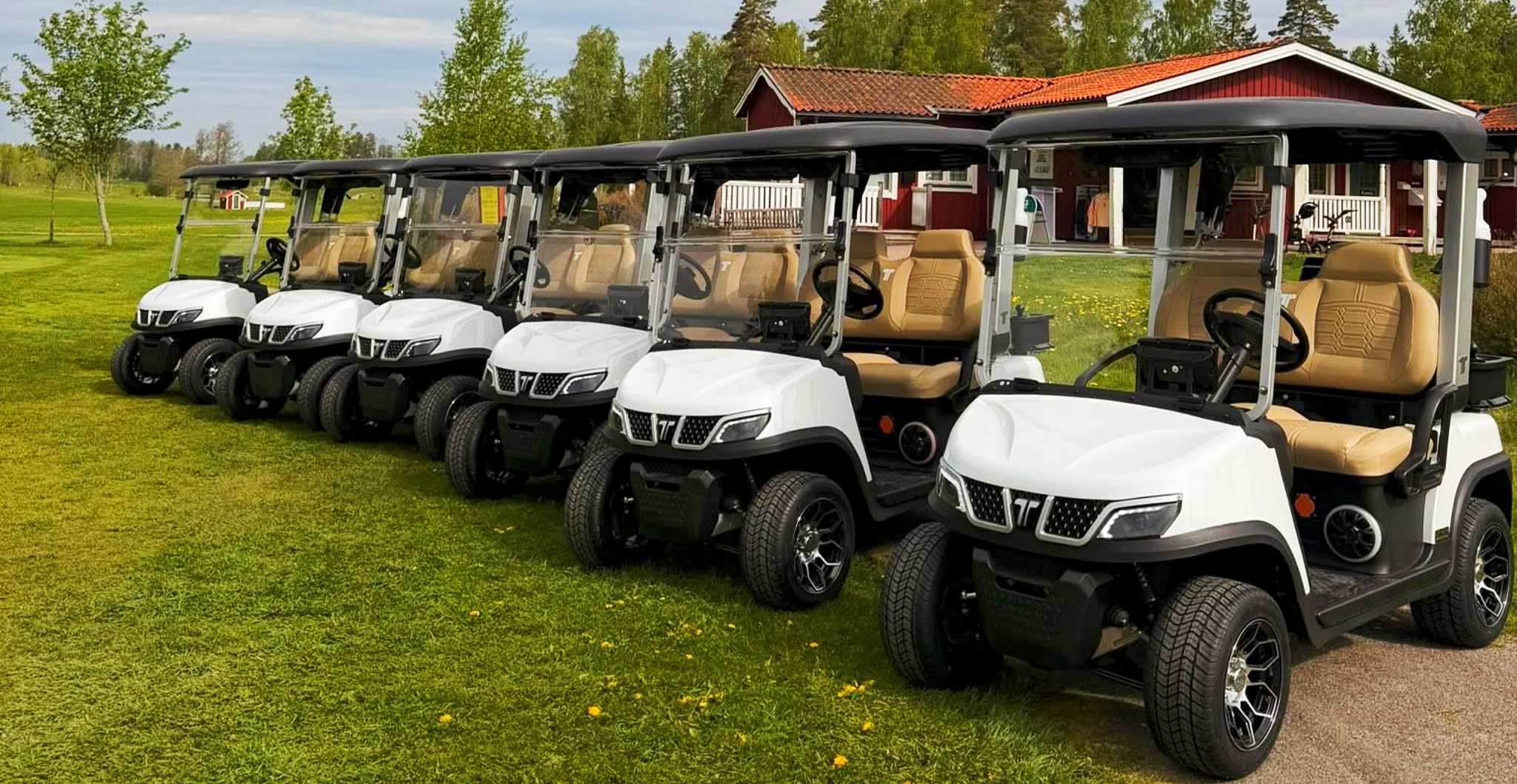
Tara Golf Carts offers multiple seating configurations for commercial applications, including 2-seat, 4-seat, and utility vehicles. LiFePO4 lithium battery options, practical passenger configurations, and GPS fleet management capabilities can be integrated into fleet planning for golf courses, resorts, and clubs.
Before purchasing, operators should define the main transportation routes, expected passenger volume, daily operating hours, charging conditions, weather requirements, and maintenance process. These factors provide a clear basis for selecting golf carts for clubhouse transportation and building a fleet that can support daily property operations.
Post time: Sep-09-2026


