

When a golf course updates its fleet, the value of new electric golf cars is typically realized through operational efficiency, passenger comfort, and ease of management. Procurement teams need to assess daily round volumes, primary customer demographics, and whether existing charging and maintenance infrastructure can support the new fleet.
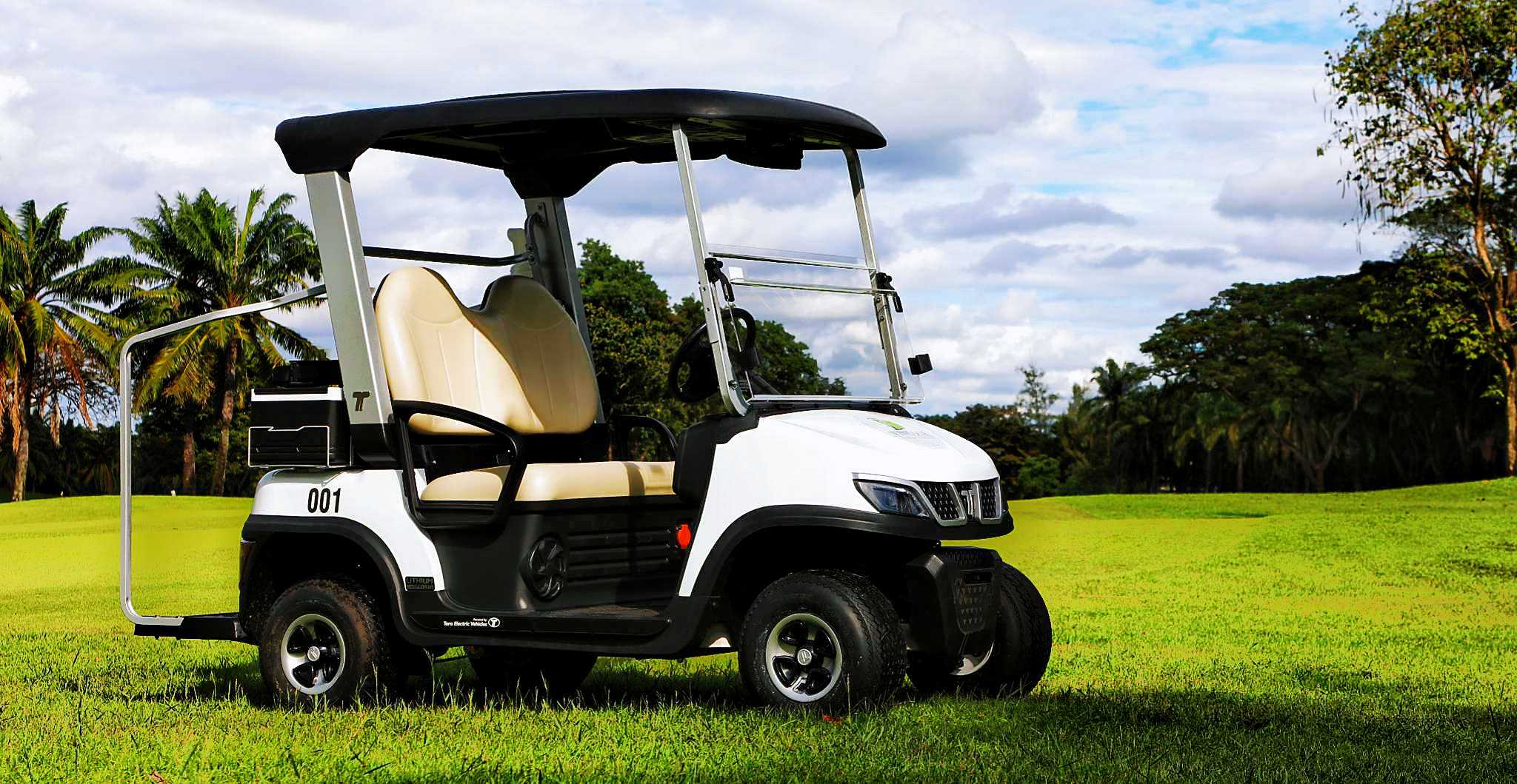
Tara Golf Carts offers two-seater, four-seater, and utility vehicle models, which can be configured for specific roles such as player transport, member hospitality, caddie services, and course maintenance.
Upgrading the Existing Fleet
Before purchasing new vehicles, it is advisable to review the maintenance frequency, battery condition, downtime, and age of the current fleet.
If certain vehicles consistently suffer from reduced range, increased brake maintenance, or frequent parts replacement, the cost-effectiveness of continued repairs should be evaluated. Fleet renewal can also be carried out in phases, prioritizing the replacement of the most heavily used vehicles before gradually standardizing models and configurations.
This approach helps manage the procurement pace and facilitates the simultaneous operation of old and new vehicles.
Lithium Batteries: A Key Feature
New electric golf cars typically prioritize lithium-ion battery systems.
Tara’s specialized golf course models utilize LiFePO4 battery technology. Unlike traditional lead-acid batteries, lithium batteries require no water refilling, and the charging and routine inspection processes are much simpler.
When selecting vehicles, courses should determine battery specifications based on factors such as terrain gradients, load requirements, daily round volumes, and available charging windows. For large-scale purchases, it is also essential to plan the number of chargers and the power supply capacity of the parking area in advance.
Model Selection Based on Operational Roles
A new fleet does not need to consist entirely of a single model.
The Spirit Pro is ideal for standard two-player rounds; the Spirit Plus offers enhanced comfort and additional onboard features; and the Harmony, equipped with a caddie stand platform, is suitable for caddie services.
The Roadster 2+2 and Explorer 2+2 models feature a four-seat layout, making them suitable for transporting members, guests, and staff. Meanwhile, the Turfman series handles the transport of tools, equipment, and maintenance materials.
Tara Electric Vehicles allows these models to be combined into a single fleet, enabling different vehicles to perform specific, designated tasks.
Fleet Management
As the number of vehicles increases, dispatching and maintenance become integral parts of daily operations. Tara’s optional GPS Fleet Management System supports features such as real-time location tracking, geofencing, battery SoC (State of Charge) monitoring, speed tracking, fault code reporting, usage history, and “Pace of Play” monitoring.
For courses purchasing new electric golf cars, details such as Cart IDs, GPS configurations, charging station assignments, and maintenance record-keeping methods can be established prior to delivery, thereby minimizing the administrative work required to organize fleet data later.
Fleet Operations
New carts can be equipped with touchscreens, audio systems, refrigerators, ball washers, cooler bags, and other accessories; however, the final configuration should align with the course’s specific service model.
Member-focused clubs may prioritize seating comfort and in-vehicle amenities, whereas high-volume courses prioritize vehicle availability, charging efficiency, and ease of maintenance. Courses utilizing caddies need to consider dedicated rear standing platforms and adequate space for golf bags.
Tara Golf Carts can determine the appropriate vehicle models and configurations based on project requirements, ensuring the new fleet aligns seamlessly with the course’s operational workflows.
FAQs
What should I look for when buying new electric golf cars?
When purchasing, consider factors such as battery type, intended use, passenger capacity, charging infrastructure, maintenance support, and required accessories. Commercial courses should also consider unified fleet management capabilities.
Are new electric golf cars lithium-powered?
Many new electric golf car models utilize lithium batteries. Tara’s professional course models employ LiFePO4 lithium battery technology, with specific battery specifications determined by the model.
How many new golf carts does a golf course need?
There is no standard number. Courses can determine the purchase quantity based on daily tee-time volume, peak usage rates, the desired ratio of backup vehicles, and the status of their existing fleet.
Which Tara electric golf car is suitable for fleet use?
The Spirit Pro, Spirit Plus, and Harmony models are suitable for two-seater course fleets; the Roadster 2+2 and Explorer 2+2 are designed for transporting four passengers; and the Turfman series is intended for maintenance and material handling tasks.
Should new electric golf cars have GPS?
For courses with large fleets, GPS systems assist in managing vehicle location, battery status, usage history, and geofencing. Whether to include this feature depends on the fleet size and specific management requirements.
Post time: Oct-07-2026


