

The lifespan of a golf car depends on its usage. Privately owned carts used infrequently, with proper maintenance, can easily last over 10 years. Golf car fleets operate for longer periods daily, with higher charge/discharge cycles, passenger capacity, and mileage, thus typically reaching their replacement cycle sooner.
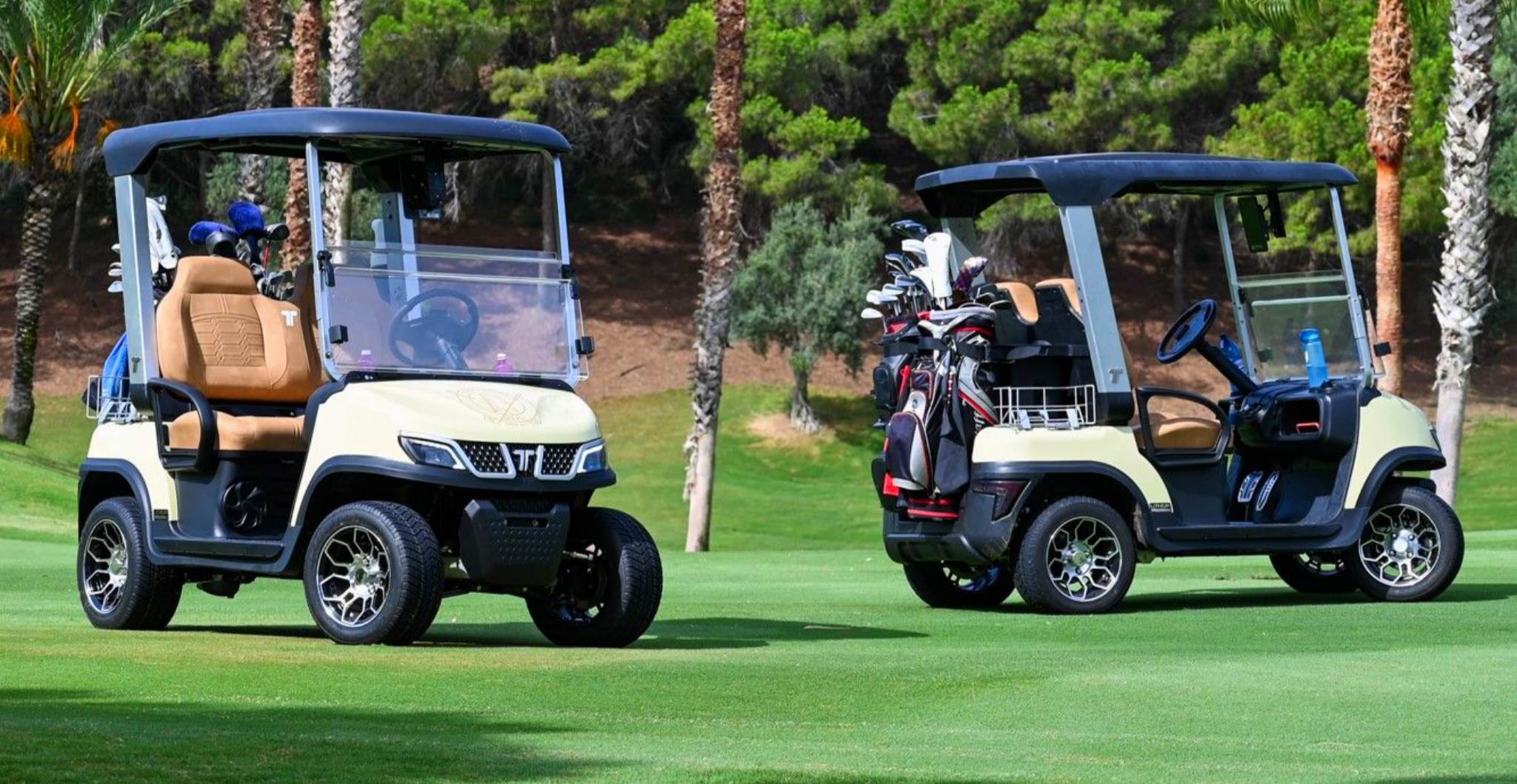
For golf courses, a cart being “drivable” doesn’t mean it’s still suitable for continued use. A comprehensive assessment of the fleet’s breakdown frequency, repair time, battery condition, parts availability, and daily availability is necessary.
Golf Cart Lifespan
The overall lifespan of a golf car primarily depends on the condition of its chassis, motor, brakes, suspension, battery, and electrical systems.
A golf car with a well-constructed chassis and a stable motor can continue to be used by replacing tires, brake components, seats, and some easily worn parts. Regular checks of the battery, tires, and braking system also help extend the cart’s lifespan. Battery checks, tire inspections, and brake servicing are typically critical factors affecting the long-term lifespan of a cart.
The situation for golf course carts is more complex. Fleet carts, which complete multiple rounds of operation daily, experience far more work cycles per year than private carts. Inclines, frequent start-stop cycles, full-load operation, and humid environments accelerate wear and tear on certain components.
Therefore, commercial fleets typically need to develop replacement plans based on cart condition, rather than waiting until the cart is completely unusable.
Battery Life
Batteries often enter their replacement cycle earlier than the entire cart, so determining the lifespan of a Golf Cart requires considering the cart and battery separately.
Lead-Acid Golf Cart Batteries require regular electrolyte checks, proper charging, and avoidance of prolonged deep discharges. Inadequate maintenance will result in a significant decrease in range.
LiFePO4 Lithium Batteries have a longer cycle life and eliminate the need for routine maintenance such as adding water. Tara’s Golf Cart lithium batteries can achieve thousands of cycles under specific depths of discharge conditions.
When purchasing golf carts and batteries, golf courses should pay more attention to how many effective cycles they can maintain under actual operating conditions and whether they can still reliably complete the planned 18 holes or more rounds several years later.
Fleet Use
Private golf carts may only be used a few times a week, while golf carts may be used continuously every day during peak season.
This difference in usage will be directly reflected in:
Battery Cycle
Tire Wear
Brake Wear
Suspension
Steering Components
Seat and Body Parts
Even with the same cart age, the intensity of use can vary drastically. Carts used intensively for extended periods may wear out significantly faster than other carts. Therefore, it’s best for course management teams to keep individual records of each cart’s usage, rather than simply judging its lifespan based on the purchase year.
Repair or Replace?
When a golf cart experiences recurring problems, it may be necessary to consider replacing it with a new one.
Common warning signs include:
Significantly reduced cart range; inability to operate reliably after a full charge; frequent repairs to the braking, steering, or suspension systems; difficulty in obtaining replacement parts; and the same golf cart being taken out of service multiple times within a season due to malfunctions.
For a golf course, repair costs are only one aspect of the overall expense. When a cart is parked in the pit lane, the course loses one available rental or dispatch cart.
This is why Golf Cart Fleet Replacement should be planned in advance. Phased replacements are easier to manage the budget than replacing all the carts.
Tracking the Fleet
Cart usage data helps the course more accurately assess the fleet’s condition.
The Tara GPS Fleet Management System supports Battery SoC Monitoring, Usage History, Real-time Cart Tracking, and fault information viewing. The management team can compare the usage frequency, battery status, and operating records of different carts to identify high-frequency usage carts and those requiring focused inspection.
For example, a five-year-old golf cart with low usage may still be in good condition; another cart of the same year, if consistently used at high frequencies, may have significantly increased maintenance needs. It’s difficult to distinguish these differences simply by looking at the year of use.
Planning the Next Fleet
Tara provides professional Golf Cart Fleet Solutions for Golf Courses, Country Clubs, and Golf Resorts, covering 2-seater and 4-seater Golf Carts as well as Utility vehicles, and employing proven LiFePO4 Lithium Battery.
For courses planning to upgrade their fleets, it’s advisable to first check the age structure, battery condition, maintenance history, and daily availability of the existing carts before deciding how many to replace at once. Tara can also provide cart type and GPS configuration recommendations based on the course’s number of holes, operational scale, terrain, and existing fleet conditions.
How long do golf carts last? For private users, mileage or purchase date are helpful; for commercial courses, a more practical answer comes from usage frequency.
Post time: Aug-19-2026


