

For golf course operators, maintaining a golf cart fleet is about much more than repairing carts when something breaks down. An efficient maintenance strategy keeps carts available for daily play, reduces unexpected downtime, and helps control operating costs throughout the fleet’s lifecycle.
Interestingly, the easiest fleet to maintain is not always the newest or the most expensive. It is usually the one that has been designed, managed, and supported with long-term operation in mind.
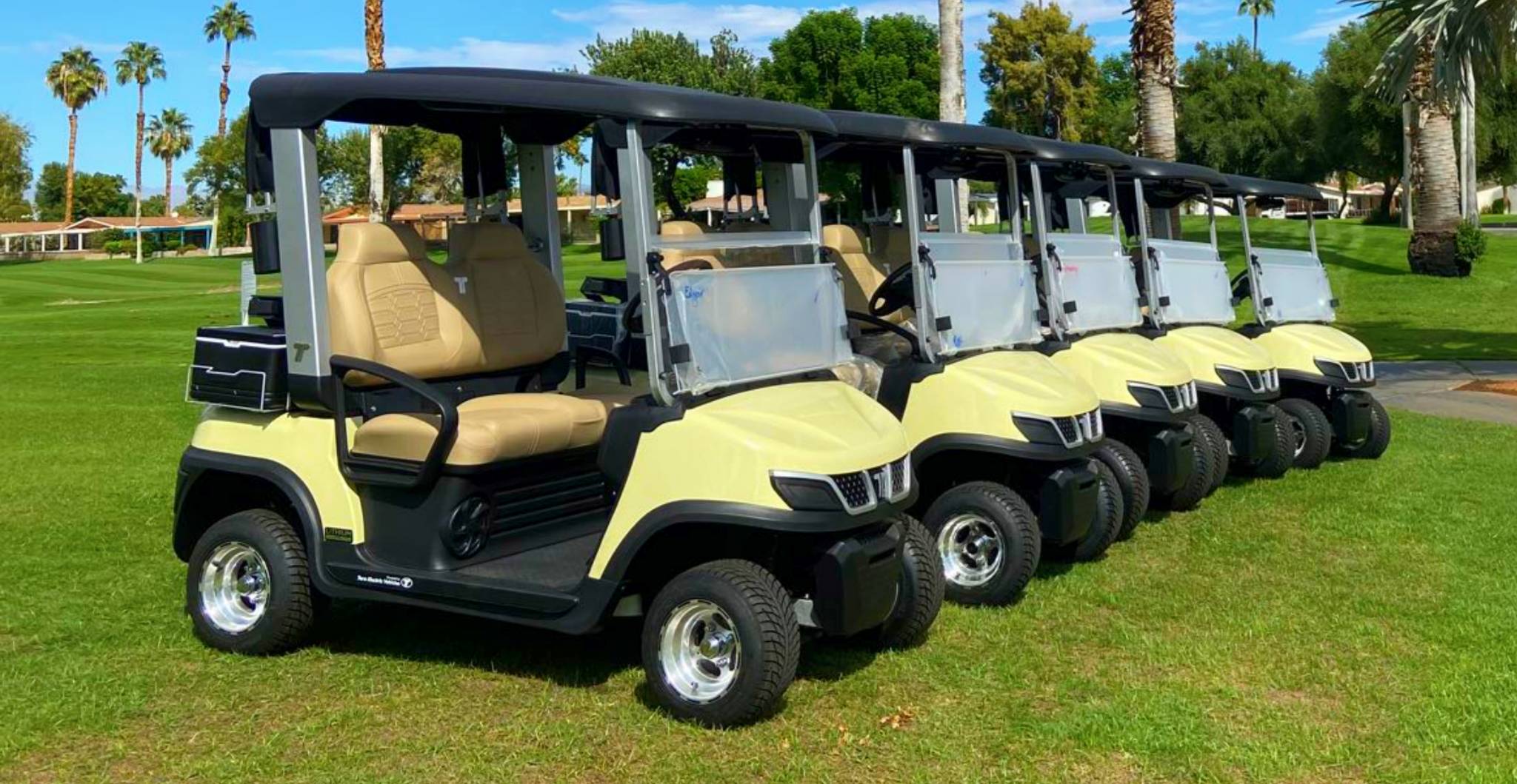
Build Reliability from the Beginning
Maintenance starts long before a cart enters service.
A reliable fleet is built on durable components, consistent manufacturing quality, and proven battery technology. While appearance and comfort are important for golfers, maintenance teams often pay closer attention to what is underneath the bodywork.
LiFePO4 lithium batteries, for example, have become increasingly popular because they require far less routine maintenance than traditional lead-acid batteries. Eliminating regular watering and reducing battery-related service work allows technicians to spend more time on preventive maintenance instead of routine upkeep.
Keep the Fleet Consistent
Many golf courses gradually expand their fleets over time, resulting in a mix of different models and production years. While this may seem practical, it often creates unnecessary maintenance challenges.
A standardized fleet offers several advantages:
Fewer spare parts to stock
Simpler technician training
Consistent maintenance procedures
Faster repairs and servicing
The more consistent the fleet, the easier it becomes to schedule maintenance and keep carts available for golfers.
Focus on Prevention, Not Repairs
One of the biggest differences between reactive and well-managed golf courses is how they approach maintenance.
Rather than waiting for problems to occur, experienced operators inspect carts regularly and address small issues before they develop into major repairs. Routine checks of brakes, tires, steering components, charging equipment, and battery condition can significantly reduce unexpected failures during busy periods.
Preventive maintenance also helps extend cart life, allowing courses to maximize the return on their fleet investment.
Make Maintenance Decisions with Data
Fleet management is becoming increasingly proactive.
Instead of relying solely on maintenance schedules, many golf courses now use operational data to identify potential issues earlier. Information such as battery state of charge, fault codes, cart usage, and operating hours helps maintenance teams prioritize service where it is actually needed.
Fleet data can also reveal whether certain carts are being used far more frequently than others, allowing managers to rotate carts more effectively and distribute wear across the entire fleet.
Support Matters After Delivery
Even the most reliable golf cart will eventually require replacement parts or technical support. That is why maintenance should never be evaluated based on the cart alone.
When selecting a fleet supplier, golf courses should also consider questions such as:
Are replacement parts readily available?
Is technical support responsive?
Can the fleet be serviced efficiently throughout its lifecycle?
Strong after-sales support often has a greater impact on long-term operating costs than a lower purchase price.
Looking at the Bigger Picture
An easy-to-maintain fleet is the result of thoughtful planning rather than good luck. Reliable carts, standardized equipment, preventive maintenance, and dependable service all contribute to smoother day-to-day operations.
At Tara, we design golf cart fleets for long-term use. Mature LiFePO4 lithium battery technology, customizable fleet configurations, and comprehensive after-sales support help golf courses simplify maintenance while maximizing fleet availability. Optional GPS fleet management also provides operational insights that enable maintenance teams to identify issues earlier and manage fleets more efficiently.
Post time: Jul-01-2026


