

For many golf courses, tournament season is the busiest and most demanding period of the year. Member championships, charity events, corporate outings, and invitational tournaments can significantly increase pressure on daily operations. While course conditions and event organization often receive most of the attention, one operational factor is frequently underestimated: the golf cart fleet.
A tournament may only last one or two days, but the success of the event often depends on whether the fleet is prepared to handle higher demand, longer operating hours, and more complex logistics.
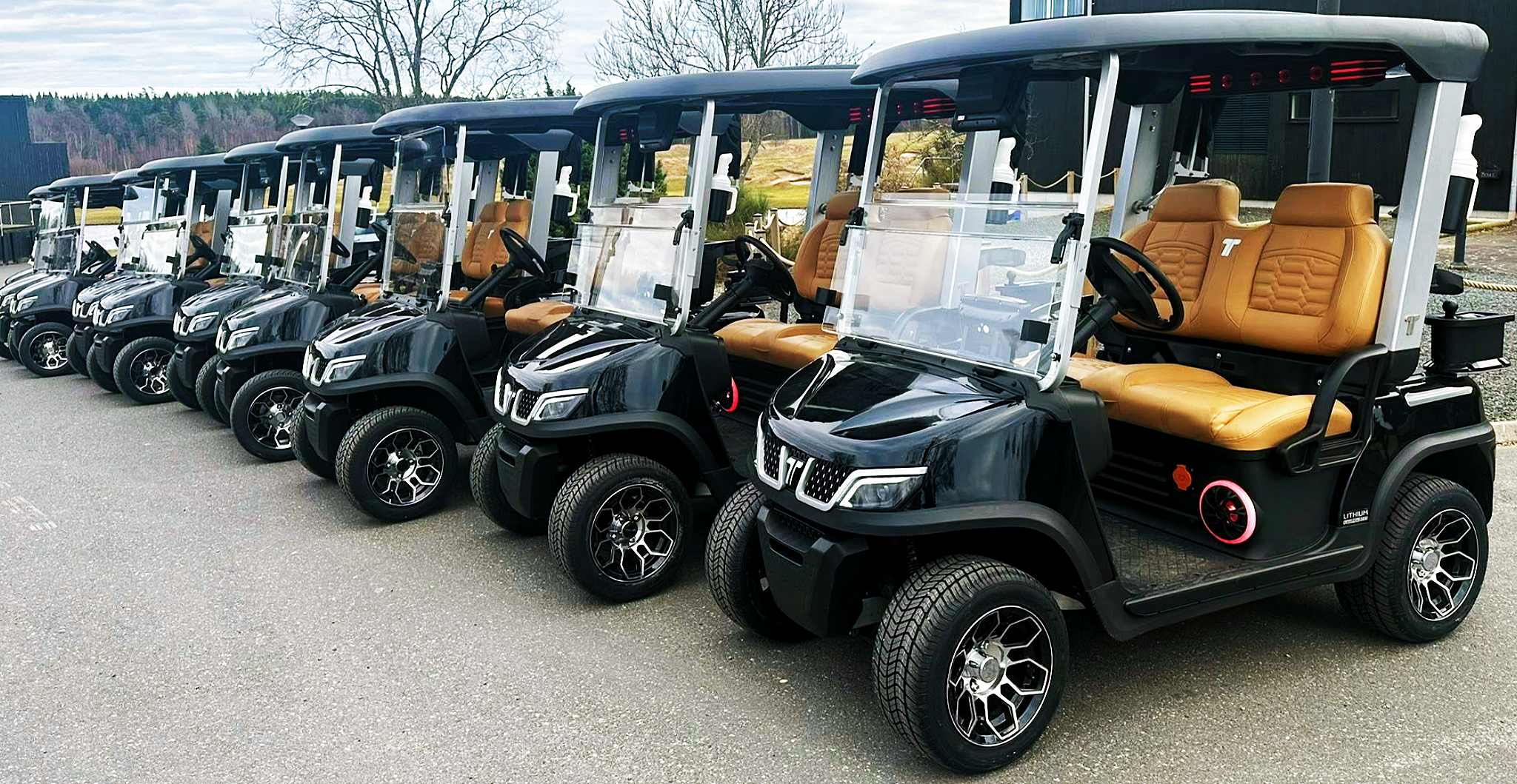
More Than Just Player Transportation
During regular play, golf carts primarily serve golfers. Tournament operations, however, create entirely different requirements. Additional vehicles may be needed for tournament officials, maintenance staff, sponsors, volunteers, medical teams, and VIP guests.
As a result, a fleet that normally meets daily demand may become stretched during an event. Experienced operators often begin planning several weeks in advance, reviewing vehicle availability and identifying whether temporary additional carts may be required.
The objective is not simply to provide enough carts, but to ensure that every group and operational team receives the vehicles they need at the right time.
Preventing Problems Before They Occur
One of the most important tournament preparations is preventive maintenance.
Battery performance, tire condition, brakes, charging equipment, and vehicle reliability should all be checked before the event begins. A cart failure during a tournament can delay play, create frustration, and increase pressure on staff.
Many golf courses also maintain a small number of reserve vehicles that can quickly replace carts experiencing mechanical issues. This approach minimizes disruption and helps maintain a smooth player experience throughout the event.
For facilities operating electric fleets, battery performance is especially important, as tournament days often require vehicles to remain in service for longer periods than normal.
Managing Traffic Around the Course
Tournament traffic patterns can differ considerably from everyday operations.
Practice facilities, clubhouse areas, and certain holes may experience temporary congestion as players, officials, and support staff move around the course. Without proper planning, this can affect pace of play and place additional stress on turf conditions.
Some clubs establish designated parking areas, temporary traffic routes, or restricted access zones to improve movement during events. These operational adjustments can reduce congestion while helping protect sensitive areas of the course.
Communication Makes a Difference
Successful tournament operations rely heavily on communication.
Players, staff, and volunteers all interact with the fleet differently. Clear instructions regarding cart use, parking locations, and operational procedures can help prevent confusion during busy periods.
Some golf courses also use GPS-enabled fleet systems to share messages, monitor vehicle locations, and support operational coordination during major events. These tools can improve efficiency, particularly when managing large fleets across multiple areas of the course.
Looking Beyond the Event
When tournament season arrives, the condition of the fleet often determines how smoothly the entire event will run.
Tournament season often reveals strengths and weaknesses within a fleet operation. Vehicle utilization, maintenance records, and operational challenges can provide valuable insights for future planning.
At Tara, we work with golf courses worldwide to support both everyday operations and special events. Reliable LiFePO4 battery technology, customizable fleet configurations, and GPS fleet management capabilities help courses prepare for periods of increased demand while maintaining a consistent player experience.
Post time: Jun-24-2026


