

Choosing golf fleet vehicles is one of the most important long-term decisions a golf course can make. Unlike privately owned carts, fleet vehicles operate continuously throughout the season, often completing multiple rounds each day. Their reliability, operating efficiency, and consistency directly influence course operations and the overall player experience.
Today’s golf fleet vehicles are expected to do much more than transport golfers from one hole to the next. They have become integrated assets that support daily operations, reflect a club’s image, and improve fleet management through modern technology.
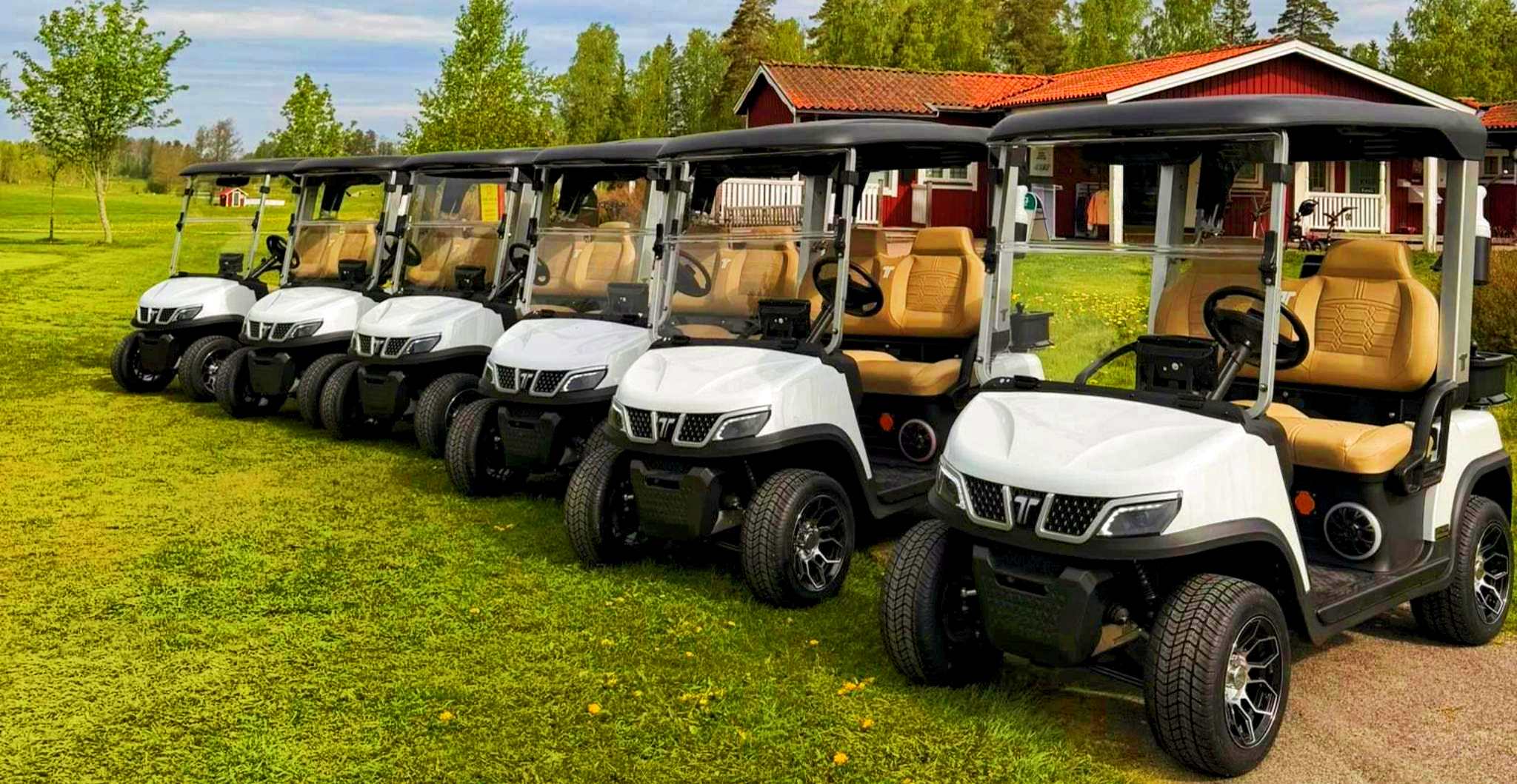
More Than Transportation
A professionally managed Golf Cart Fleet is designed around operational efficiency rather than individual vehicle performance. Fleet managers typically evaluate vehicles based on total lifecycle value instead of initial purchase price.
Key considerations include:
Fleet uptime
Battery reliability
Charging efficiency
Maintenance intervals
Driver comfort
Parts availability
For clubs operating dozens or even hundreds of vehicles, these factors have a significant impact on annual operating costs.
Why Lithium Is Becoming the Industry Standard
One of the biggest changes affecting golf fleet vehicles is the rapid adoption of Lithium Golf Cart technology.
Compared with conventional battery systems, lithium-powered fleets provide several operational advantages:
Shorter charging times
Consistent performance throughout the day
Reduced routine maintenance
Longer service life
Lower total cost of ownership over time
These benefits are especially valuable for busy golf facilities where vehicles are in constant use and downtime must be minimized.
Technology Is Transforming Fleet Management
Modern golf fleet vehicles increasingly incorporate digital solutions that improve operational visibility.
Many golf courses now utilize Golf Cart GPS systems to monitor fleet activity, manage pace of play, and optimize vehicle distribution. Depending on the system, operators may also access features such as geofencing, vehicle diagnostics, and usage reporting.
By combining connected technology with electric powertrains, clubs can make better decisions while delivering a more seamless experience for golfers.
Tara’s Fleet-Oriented Philosophy
Rather than adapting consumer vehicles for commercial use, Tara develops products specifically for professional golf operations.
Models including Tara Harmony, Tara Spirit Pro, and Tara Spirit Plus are engineered to meet the daily demands of golf courses, private clubs, and resort fleets. Their lithium-powered platforms, ergonomic seating, and contemporary design support both operational efficiency and player comfort.
For facilities requiring maintenance support beyond passenger transportation, the Tara Turfman utility vehicle complements a complete fleet by assisting with course operations, equipment transport, and grounds maintenance.
Investing Beyond the Vehicle
Selecting golf fleet vehicles is ultimately an investment in long-term service quality. Clubs should evaluate not only the vehicle itself, but also the manufacturer’s ability to provide product consistency, technical support, replacement parts, and future fleet development.
As expectations continue to rise across the golf industry, the most successful fleets are those built around reliability, efficient management, and an exceptional player experience.
FAQs
1. What are golf fleet vehicles?
Golf fleet vehicles are golf carts purchased and managed as a coordinated fleet for golf courses, resorts, country clubs, or commercial facilities. They are designed for frequent daily operation and consistent performance.
2. Why do golf courses choose Lithium Golf Cart fleets?
Lithium-powered fleets generally offer faster charging, longer battery life, lower maintenance requirements, and improved operational efficiency compared with traditional lead-acid battery systems.
3. How does Golf Cart GPS improve fleet management?
Golf Cart GPS can assist with vehicle tracking, pace-of-play management, geofencing, and operational reporting, helping courses improve both efficiency and customer service.
4. What should buyers consider when selecting golf fleet vehicles?
Important factors include battery technology, fleet durability, maintenance support, total cost of ownership, manufacturer reputation, GPS compatibility, and long-term parts availability.
Post time: Jul-01-2026


