

Golf cart rental operations require a consistent process for vehicle preparation, customer handover, daily inspection, charging, maintenance, and fleet tracking. Resorts, golf courses, event venues, campgrounds, and large outdoor properties may operate dozens or hundreds of rental vehicles, making fleet organization an important part of daily operations.
A well-managed golf cart rental fleet should keep vehicles available, clean, charged, properly inspected, and ready for the next booking.
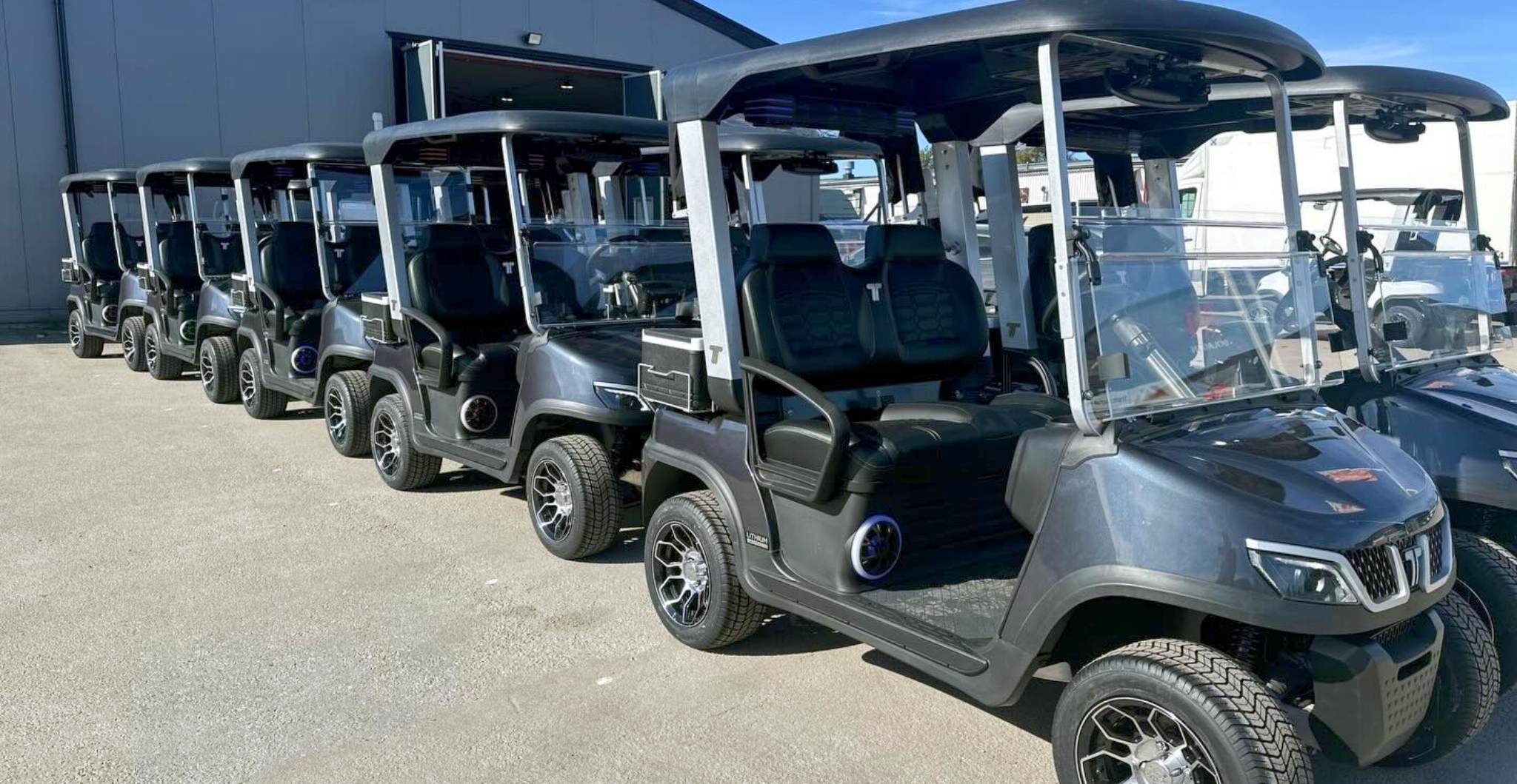
Fleet Planning
Golf cart rental operations usually involve different customer requirements. Two-seat golf carts can serve individual users and couples, while 4-seat and 6-seat models can handle families, groups, and shuttle services.
Fleet planning should consider:
Daily rental demand
Peak-season bookings
Passenger capacity
Rental duration
Property size
Road conditions
Charging capacity
Available storage space
A rental operator should also keep a reasonable number of backup vehicles. Unexpected repairs, battery issues, cleaning delays, and extended rentals can reduce the number of vehicles available for new customers.
Standardized vehicle configurations can simplify fleet management. Similar batteries, chargers, tires, spare parts, and maintenance procedures make it easier for staff to handle daily service work.
Daily Vehicle Checks
Every returned golf cart should go through a basic inspection before it enters the next rental cycle.
Staff can check the vehicle body, windshield, roof, seats, tires, brakes, steering, lights, horn, charging system, battery condition, and accessories. Damage found after a rental should be recorded with the vehicle number and return time.
Charging Management
Charging is one of the daily tasks that directly affects fleet availability. Rental staff need to know which vehicles have completed charging, which vehicles are being used, and which vehicles require inspection.
Lithium golf carts can support rental operations with simpler routine battery management and consistent charging performance.
Charging schedules should also match the operating pattern. Vehicles returning late in the day may need priority charging before the next morning’s bookings.
Rental Handover
The customer handover process should be simple and repeatable.
Staff can confirm the reservation, vehicle number, rental period, customer details, and vehicle condition. A short operating briefing should cover basic controls, parking, charging requirements when applicable, speed limits set by the property, and restricted areas.
Each vehicle should have a clear identification number. This helps staff connect the vehicle with the rental order, inspection record, maintenance history, and customer communication.
For larger fleets, GPS fleet management can provide additional visibility. Tara GPS Fleet Management System supports real-time vehicle tracking, geofencing, speed monitoring, battery SoC monitoring, usage history, and remote lock or unlock functions. These features can help rental operators monitor vehicle status and manage fleet activity from a centralized system.
Maintenance and Turnaround
Golf cart rental vehicles may complete several rental cycles within one day during busy periods. Maintenance teams should therefore have a defined turnaround process.
Vehicles with mechanical faults or visible damage should be removed from the available fleet until the required work is completed.
Maintenance records should include repair dates, replaced parts, battery information, tire changes, brake service, and recurring faults. These records help operators identify vehicles that require increased maintenance attention and support future fleet replacement planning.
Fleet Visibility
A rental fleet becomes easier to manage when staff can quickly identify the location and operating status of each vehicle.
GPS tracking can show active vehicles on a property map and provide information about vehicle movement and operating history. Geofencing can also be used to manage restricted areas and define operating zones according to site requirements.
For rental businesses operating across resorts, golf courses, large campuses, or event venues, centralized fleet information can reduce manual communication between rental staff, maintenance teams, and managers.
Choosing Rental Golf Carts
Rental operators should evaluate vehicles according to expected usage frequency, passenger capacity, battery technology, terrain, service requirements, and available fleet support.
Tara Golf Carts provides electric golf carts for golf courses, resorts, rental businesses, and other commercial applications. Models with different seating capacities and configurations can be selected according to fleet requirements, while LiFePO4 lithium batteries and GPS fleet management options support daily commercial operation.
A practical rental fleet needs a clear operating process from booking and vehicle assignment to inspection, charging, maintenance, and return. Establishing these procedures makes vehicle availability easier to control and gives management better visibility into fleet utilization and operating costs.
Post time: Sep-02-2026


