

For decades, purchasing golf carts outright was the standard approach for golf course operators. Today, however, an increasing number of facilities are exploring another option: Golf Cart Fleet Lease programs.
As golf course operations become more focused on cash flow, member experience, and long-term planning, leasing has emerged as a practical alternative to traditional fleet ownership. For many clubs, the decision is no longer simply about acquiring new vehicles—it’s about managing risk and maintaining flexibility.
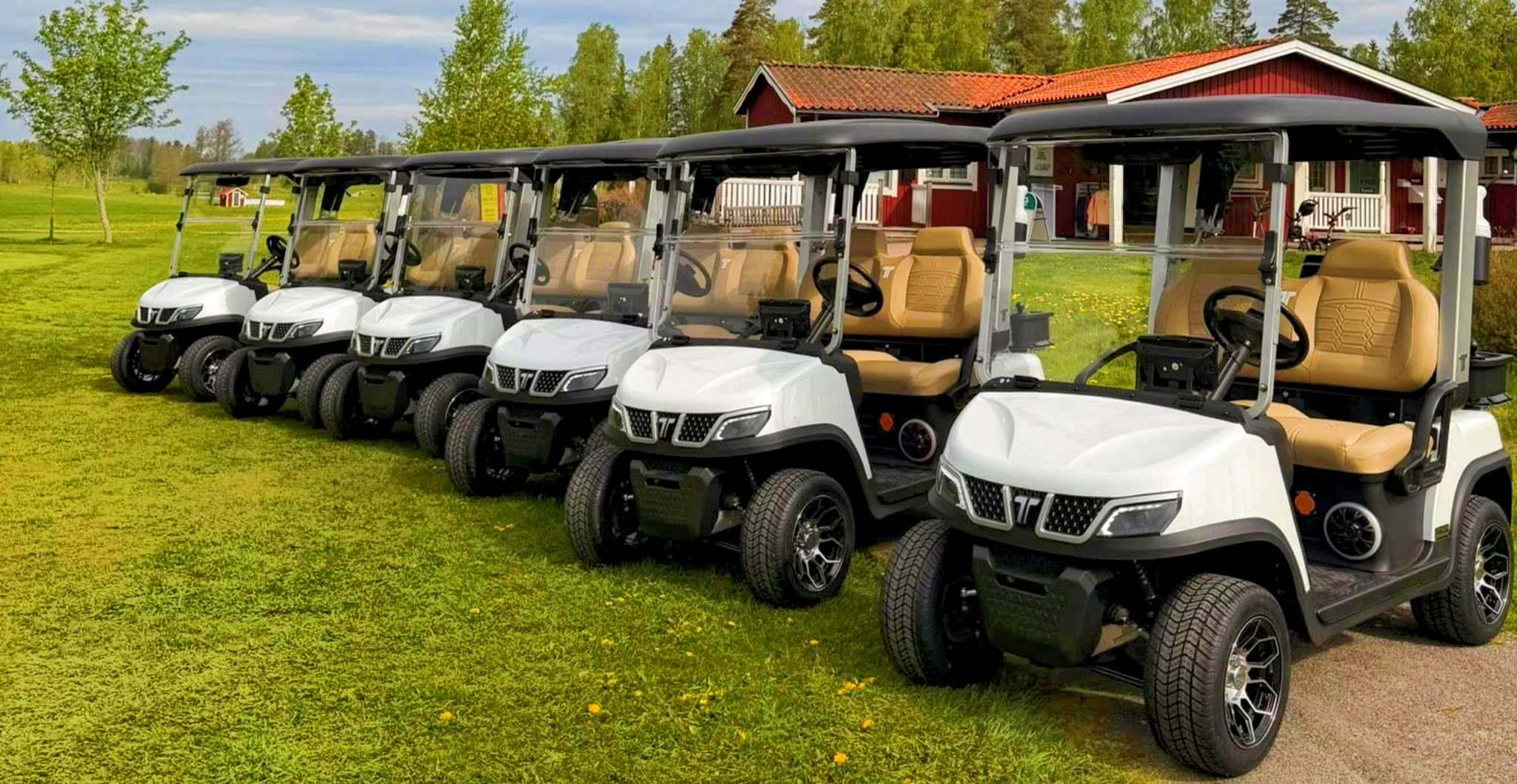
Why Golf Courses Are Reconsidering Fleet Ownership
A golf cart fleet is one of the largest equipment investments a golf course makes. Replacing dozens or even hundreds of vehicles can require significant capital.
With a Golf Cart Fleet Lease, clubs can spread costs over a defined period rather than making a large upfront investment. This allows management teams to allocate resources to other priorities such as course improvements, clubhouse renovations, irrigation upgrades, or member amenities.
For facilities operating in competitive markets, preserving capital can be just as important as acquiring new equipment.
Predictable Budgeting for Golf Course Operators
One of the biggest advantages of a Golf Cart Fleet Lease is financial predictability.
Instead of dealing with fluctuating repair costs and uncertain replacement schedules, operators typically work within a fixed monthly or annual payment structure. This makes budgeting easier and provides greater visibility into long-term operating expenses.
For municipal courses, resort properties, and private clubs alike, predictable costs can simplify financial planning and approval processes.
Access to Newer Technology
Golf cart technology continues to evolve.
Features such as Lithium Golf Cart battery systems, GPS fleet management, vehicle tracking, and upgraded comfort features have become increasingly common across the industry.
A leasing strategy often enables facilities to refresh their fleets more frequently, ensuring players have access to newer vehicles without waiting for aging fleets to reach the end of their service life.
This can be particularly valuable for clubs focused on enhancing member satisfaction and maintaining a modern image.
Member Experience Still Matters
Golfers may not know whether a club owns or leases its vehicles, but they immediately notice the quality of the fleet.
A newer fleet can contribute to:
Better ride comfort
Improved reliability
Consistent vehicle appearance
Enhanced on-course experience
For private clubs and destination golf resorts, maintaining a modern Golf Cart Fleet is often viewed as part of the overall guest experience.
Leasing can help ensure that fleet quality remains aligned with member expectations.
Lease or Buy: Which Is Better?
There is no universal answer.
Some facilities prefer ownership because they intend to keep vehicles for many years and maximize asset utilization.
Others prefer a Golf Cart Fleet Lease because it reduces upfront investment and provides access to newer technology on a more regular cycle.
The right approach often depends on:
Fleet size
Budget structure
Capital availability
Operational goals
Desired replacement cycle
Many golf course operators evaluate both options before making a long-term decision.
Tara Fleet Solutions
As golf facilities modernize their operations, the demand for flexible fleet solutions continues to grow.
Tara’s lineup—including the Tara Harmony, Tara Spirit Pro, and Tara Spirit Plus—has been developed for professional golf course environments where reliability, player comfort, and fleet efficiency are essential.
Whether a facility chooses to purchase or pursue a Golf Cart Fleet Lease, selecting the right fleet partner remains one of the most important decisions in the vehicle lifecycle.
Conclusion
The growing popularity of Golf Cart Fleet Lease programs reflects a broader shift in how golf courses manage assets and capital investments. Leasing offers flexibility, predictable budgeting, and easier access to modern fleet technology, making it an attractive option for many clubs.
As golf facilities continue to focus on operational efficiency and player satisfaction, fleet leasing will likely remain an important strategy for courses seeking to stay competitive while controlling long-term costs.
Post time: Jun-16-2026


