

With the increasing demand from golf courses, resorts, real estate communities, and various short-distance transportation scenarios, buggy golf carts are gradually becoming a popular choice. Compared to traditional golf carts, the term “buggy” emphasizes versatility, light off-road capability, and load-bearing capacity, making it suitable not only for golf courses but also for factory parks, resorts, farms, park patrols, and other occasions.
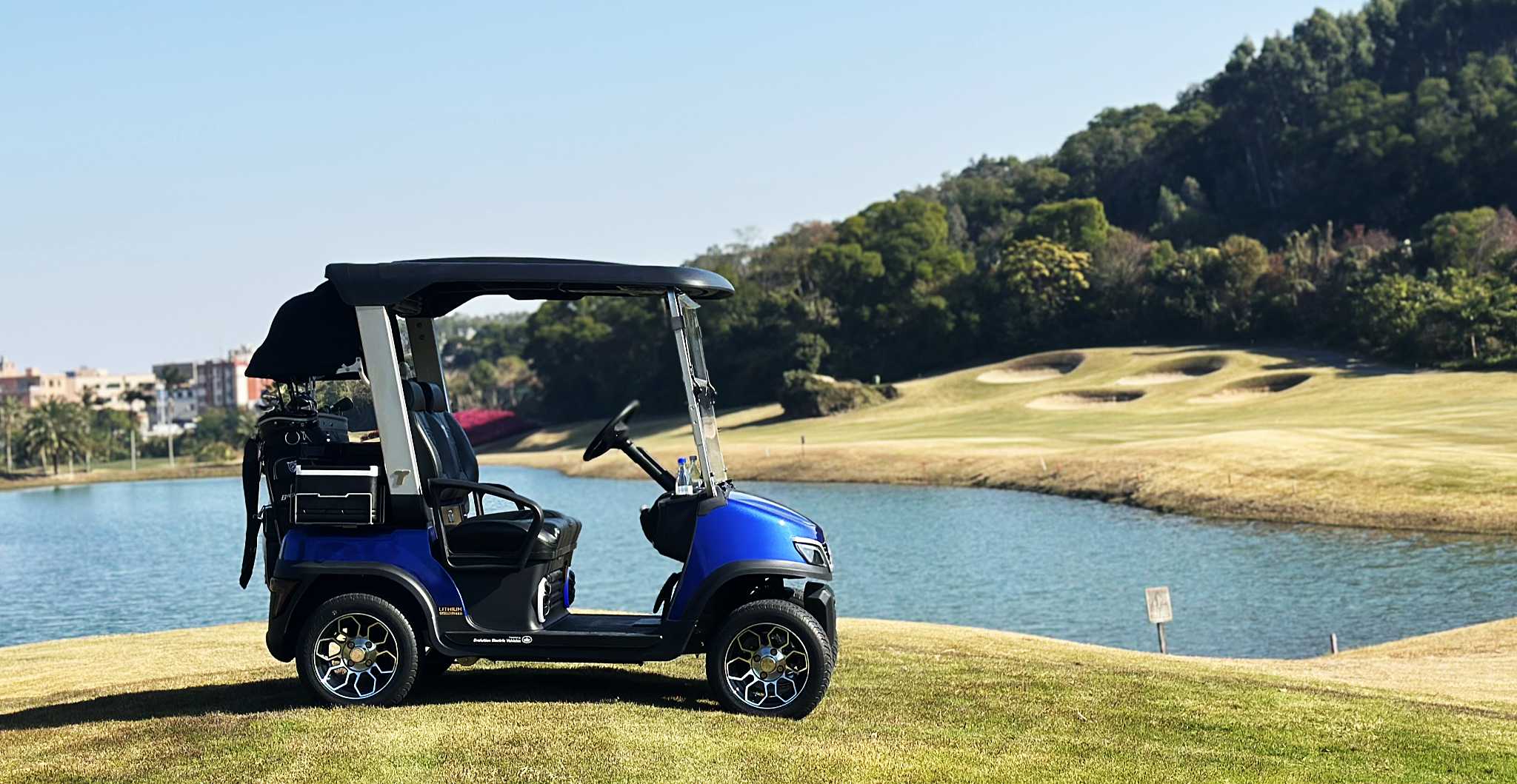
As a professional manufacturer of electric golf carts and utility vehicles, Tara has extensive experience in vehicle chassis structure, electronic control systems, battery compatibility, and overall vehicle reliability. This article will delve into the advantages of buggy golf carts from four aspects: functionality, configuration, application scenarios, and cost assessment, helping purchasers better understand their value.
I. What is a buggy golf cart? How does it differ from a traditional golf cart?
In the international market, “buggy” is generally used to describe vehicles with multi-functionality, multi-terrain adaptability, or light off-road capability. Compared to regular golf carts, buggy golf carts have the following characteristics:
Higher ground clearance
Larger tires, better suited for unpaved roads
Suspension structure better suited for bumpy roads
Stronger load capacity, suitable for multiple applications
Sometimes with stronger power output (e.g., equipped with a higher-specification AC motor)
Buggy-type golf carts are more adaptable for customers who need to use them on grass, gravel, or light off-road environments.
II. Core Technical Features of Buggy Golf Carts
In the development of the buggy series, Tara focused on structural strength, battery adaptability, and vehicle stability. The following are the key technical components affecting vehicle performance:
1. AC Power System Better for Multiple Road Conditions
Most buggy models are equipped with an AC motor (Alternating Current motor), which, compared to a DC motor:
Faster torque output
More stable high-speed cruising
Stronger hill-climbing performance
Lower maintenance requirements
Therefore, many overseas buyers prioritize AC systems when considering off-road golf carts.
2. High-Performance Battery Enhances Range and Durability
The battery system is one of the core costs of buggy vehicles, and the lithium-ion battery system in the Tara features:
Fast charging capability
Longer lifespan
More stable low-temperature performance
Lightweight design improves overall vehicle efficiency
Stable range is crucial for users navigating various terrains.
3. Reinforced Chassis Structure and Suspension System
To handle unpaved roads, buggy vehicles typically employ:
Thickened frame steel
High-strength welded structure
Independent or multi-link suspension (front and rear)
Reinforced wheels and thicker tires
These are the foundation of a utility buggy’s performance.
4. Multi-Purpose Design Enhances Usability
Buggy vehicles often come equipped with more optional features, such as:
Rear-mounted utility box
Towing device
Full-size windshield
Full LED lighting
Multi-mode driving control
Therefore, it’s not just a buggy golf cart; it’s also suitable for use as a mini-transport vehicle.
III. Main Application Scenarios of Buggy Golf Carts
1. Golf Courses
As a basic application scenario, the advantages of buggy carts are:
High maneuverability
Good adaptability to various road conditions
High uptime and low maintenance
This allows players to use them smoothly on wetlands, slopes, and soft grass.
2. Resorts and Tourist Areas
Scenic areas often have complex terrain, including:
Gravel roads
Slopes
Forest roads
The structural advantages of buggy carts can enhance the passenger experience.
3. Property and Community Transportation
In gated communities or large parks, buggy carts can be used for patrol, transportation, and material transport.
4. Factory and Logistics Park Transportation
Utility buggy carts with cargo beds can be used for parts transportation and internal logistics turnover, offering greater flexibility and economy.
IV. Cost Factors Influencing Buggy Golf Carts
Key factors affecting the price of buggy golf carts include:
1. Battery System (Lithium-ion batteries are superior to lead-acid batteries)
Lithium-ion models are more expensive, but have a significantly longer lifespan, resulting in a lower overall cost of ownership.
2. Powertrain (AC > DC)
AC systems are better suited to buggy models in terms of power output and durability, hence the higher price.
3. Frame and Suspension Specifications
Stronger off-road capabilities increase the cost of the vehicle itself.
4. Configuration Differences
For example:
Central control screen
Lighting system
Charging system
Suspension structure
Tire size
These will also significantly impact the price.
V. FAQs
Q1: What is a buggy golf cart used for?
A: Buggy golf carts are not only used on golf courses but are also suitable for resorts, construction sites, farms, and light off-road environments. Their design leans towards multi-functionality and multi-scenario use, representing an upgraded version of the traditional golf cart.
Q2: Is an off-road golf cart more expensive than a regular golf cart?
A: Usually, it’s more expensive. Off-road buggies use higher-strength chassis, larger tires, and reinforced suspension, naturally increasing costs. The price difference is even more pronounced for models equipped with AC motors and lithium-ion battery systems.
Q3: What should I check before buying a golf buggy for sale?
A: Key factors include battery type, chassis structure, electronic control system, suspension specifications, and brand manufacturing stability. Brands with direct factory supply (such as Tara) usually offer more transparent configuration details and more consistent quality.
Q4: Can a utility buggy replace a small utility vehicle?
A: It depends on the usage scenario. For light transportation or daily patrols, a utility buggy can completely replace a small UTV, while offering lower energy consumption and fewer maintenance requirements.
VI. Tara’s Product Philosophy for the Buggy Golf Cart
Tara’s development philosophy for the Buggy series emphasizes three core elements:
Stable Power: AC power and high-performance battery
Reliable Structure: Aluminum chassis and reinforced suspension
Versatile Adaptability: Optional cargo bed, seat, and lighting options
This has earned Tara’s Buggy series a good reputation in many industries overseas.
Post time: Dec-06-2025


