

As the golf industry continues to evolve and innovate, course operators face increasingly complex challenges, particularly in cart procurement and fleet management. In recent years, many courses have focused primarily on price and quantity when purchasing fleets. However, with technological advancements, increasingly stringent environmental regulations, and changing course operating models, the trends in course fleet procurement will significantly shift in 2026 and the years to come. Below are some key trends in golf course fleet procurement in 2026.
I. Environmental Protection and Sustainability Driving Procurement Decisions
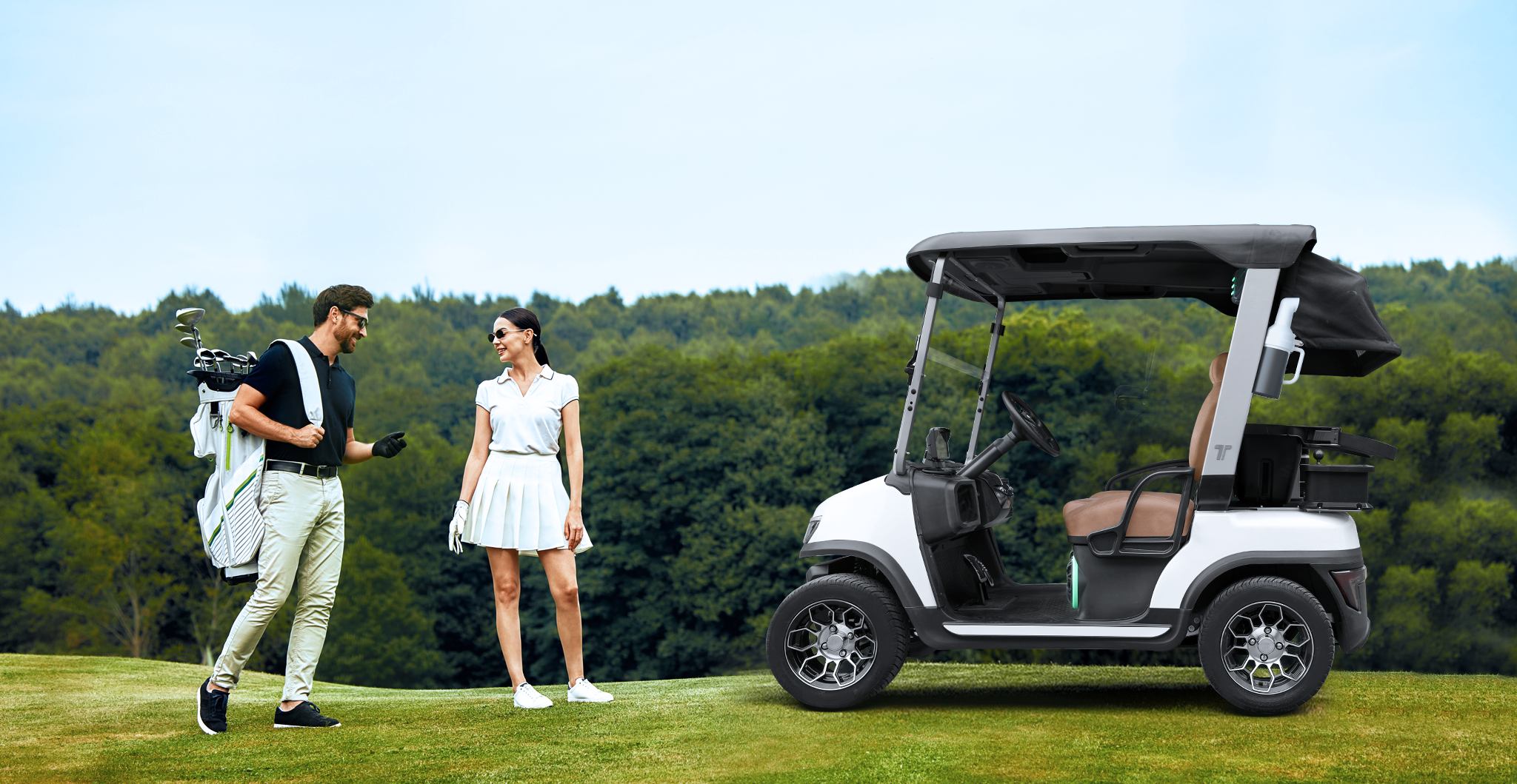
With growing global environmental awareness, golf courses are increasingly opting for electric carts rather than relying solely on traditional fuel-powered carts. This reflects not only government environmental policies but also a significant transformation in course operations and management.
Electric golf carts offer the following advantages:
Zero emissions, helping courses reduce their carbon footprint and complying with increasingly stringent global environmental regulations.
Electric carts have lower charging costs than fuel-powered ones, resulting in lower operating costs.
Simpler structure and easier maintenance.
Lower noise levels enhance the quieter atmosphere of the course, making them particularly suitable for luxury or high-end resort courses.
In 2026, with technological advancements, the range and charging efficiency of electric golf carts will be further improved, allowing golf course managers to achieve a better balance between environmental protection, operating costs, and member experience.
II. Accelerated Application of Intelligent and Digital Management
In recent years, the application of intelligent fleet management systems (such as GPS, in-cart large screens, and real-time data tracking) in golf courses has gradually become more widespread, and this trend will become even more pronounced in 2026. When purchasing fleets, golf courses will not only consider the “hardware” of the carts but also pay more attention to their compatibility with management systems and whether they can improve the course’s profitability.
Intelligent management can bring the following benefits to golf courses:
Real-time fleet monitoring: Tracking the location, usage, and battery status of golf carts through GPS systems ensures efficient course operations.
Improved efficiency: For example, players can view map information, record scores, and even order food in the cart through in-cart screens, enhancing the experience.
Reduced cart breakdowns and downtime: Through data analysis and predictive maintenance, potential faults can be detected in a timely manner, avoiding unexpected downtime problems.
Future cart procurement will increasingly consider integration with existing digital management systems to ensure more efficient and intelligent cart management.
III. Increased Demand for Course Customization
As the demands of high-end courses evolve, the need for customized fleet will grow stronger. High-end and resort courses aim to enhance the overall player experience through unique cart configurations, including in-cart comfort, service features, and intelligent interactive methods.
Characteristics of Customized fleet Configurations:
Personalized design, such as customization of cart color, interior style, and course-specific accessories.
Functional customization, such as incorporating advanced entertainment systems, touchscreens, sound systems, and even exclusive customized services for high-net-worth members.
Emerging intelligent assistance systems, such as AI-based driver assistance, autonomous driving, and route planning systems.
Personalized cart design not only enhances brand image but also provides differentiated services, strengthening club member loyalty.
IV. Balancing Fleet Size and Flexibility
In recent years, many courses have significantly expanded their fleet sizes in a short period to cope with increasing player numbers and activity demands. However, with rising course operating costs and increasing fleet maintenance pressures, more and more courses are re-evaluating fleet size, striving to find a balance between flexibility and scale.
Course managers need to assess:
Fleet usage frequency and turnover rate to avoid over-purchasing and wasting resources.
Fleet flexibility, such as configuring different seating capacities (e.g., 2-seater, 4-seater, 6-seater) and utility carts to meet the needs of different activities and scenarios.
Long-term costs; a larger fleet size may mean higher maintenance and battery replacement costs, so it’s necessary to ensure the fleet size matches actual needs.
In 2026, course purchasing decisions will place greater emphasis on flexibility to meet the needs of different periods and activities, rather than simply pursuing “scale.”
V. Long-Term After-Sales Service and Support
The purchase of golf carts is not just a one-time transaction; course managers are also very concerned about the after-sales service and long-term support provided by suppliers. This includes:
Fleet maintenance and support: Suppliers need to provide long-term, stable after-sales service plans, including regular maintenance, fault repair, and battery replacement.
Training and Technical Support: Suppliers must provide professional training courses to help golf course staff operate and manage their fleets more efficiently.
Data Analysis and Optimization Recommendations: Through data reports and analysis, suppliers can help golf course managers optimize fleet configuration and operational efficiency.
In 2026, golf course managers will place greater emphasis on the comprehensive service capabilities of suppliers, especially support and guarantees during fleet use.
Trends in 2026
In 2026, trends in golf course fleet procurement will profoundly impact operational efficiency, cost control, and member experience. From environmentally friendly electric golf carts to intelligent management systems and personalized customization, golf course managers need to consider not only current needs but also long-term operational benefits and brand image in future procurement decisions.
Guided by these trends, future golf courses will be more intelligent and environmentally friendly, enhancing the overall player experience and satisfaction through personalized and flexible fleet configurations.
Tara has long focused on the development and manufacturing of environmentally friendly electric golf carts and provides exclusive fleet customization services to golf courses worldwide.
Post time: Feb-28-2026


