

What is Golf Car Financing? Is it suitable for golf courses purchasing electric golf cart fleets?
Answer: Golf Car Financing refers to financing the purchase of electric golf carts or utility vehicles through installment payments, financial leasing, or support from third-party financial institutions. For courses needing to upgrade or expand their golf cart fleets in a one-time transaction, reasonable Golf Car Financing can alleviate cash flow pressure while ensuring operational continuity, making it a common and mature procurement method.
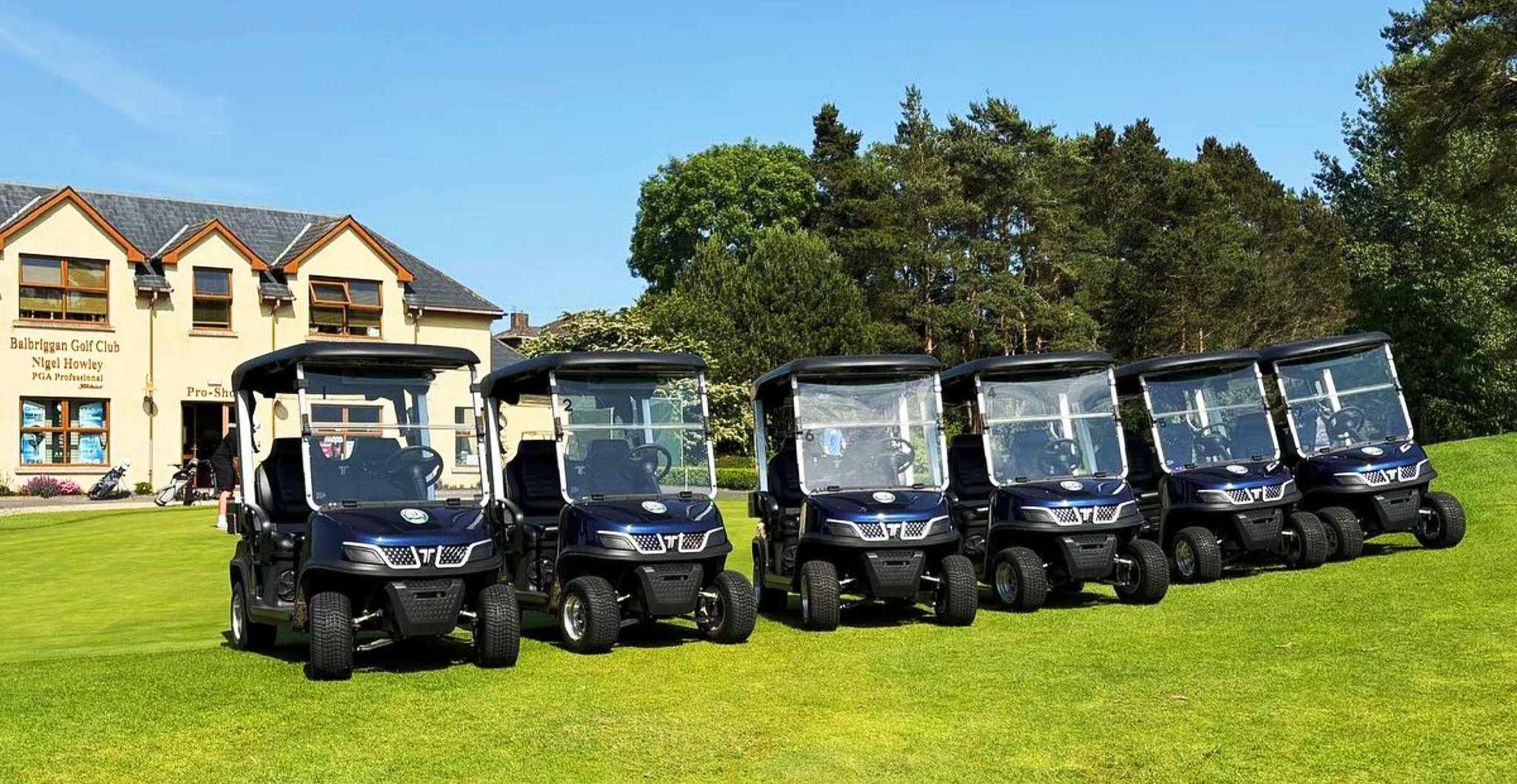
Why do golf courses consider Golf Car Financing when purchasing?
Golf courses often place bulk orders when purchasing electric golf carts or utility vehicles. While one-time cash purchases are simple, they can impact the annual budget structure. In this case, Golf Car Financing offers the following advantages:
1. Optimized Cash Flow Structure
Paying in installments spreads funds across multiple financial cycles, reducing short-term financial pressure.
2. Support for Fleet Upgrades
When a course needs to completely upgrade its golf cart fleet, financing options facilitate a rapid replacement without waiting for years of budget accumulation.
3. Improve Asset Utilization Efficiency
Using funds for operations, marketing, or facility upgrades, while simultaneously financing vehicle purchases, helps maximize overall revenue.
For courses with electric golf carts as core equipment, financing strategies are often part of operational planning.
Common Golf Car Financing Methods
Financial environments vary by region, but common methods include:
Installment Financing
Loans are provided by financial institutions or partner channels, with the course repaying principal and interest monthly or quarterly.
Leasing
Using the vehicle through leasing, with the option to renew or purchase at the end of the lease term.
Third-Party Financial Support
In some markets, professional equipment financing companies provide golf equipment financing solutions.
The specific choice depends on the course’s financial structure, tax arrangements, and asset planning.
Matching Logic Between Electric Golf Carts and Financing Strategies
With increasing environmental trends, electric golf carts have become a mainstream choice. Compared to traditional fuel-powered vehicles, electric fleets offer:
Lower daily maintenance costs
More stable operational performance
Better alignment with ESG strategies
When planning golf car financing, managers typically consider the total cost of ownership (TCO). While the initial purchase cost of electric golf carts may be slightly higher, the lower long-term energy consumption and maintenance costs often result in a more advantageous overall cost structure after financing.
Tara focuses on manufacturing electric golf carts and utility vehicles for golf courses, emphasizing stability and long-term value. Product quality and durability are equally important when evaluating financing options.
Frequently Asked Questions (FAQs)
1. Is golf cart financing available for commercial golf courses?
Yes. In most markets, commercial electric golf carts or utility vehicles can obtain financing through third-party financial institutions. Specific terms depend on local financial policies and the company’s qualifications.
2. What credit score is needed for golf car financing?
Financing approval is typically based on a company’s creditworthiness, financial statements, and operational stability. Standards vary by country, but stable operating courses are generally more likely to receive approval.
3. Is leasing better than buying golf carts?
This depends on your operational strategy. If you want to hold the assets long-term and control total costs, buying may be more suitable; if you want to maintain a consistent vehicle replacement frequency and reduce upfront investment, leasing may be more flexible.
4. Can financing cover an entire golf cart fleet?
In most cases, financing can be provided for an entire golf cart fleet. However, the specific amount and term need to be assessed based on the company’s financial situation.
Key Factors for Evaluating Golf Car Financing
Before deciding whether to adopt golf car financing, it is recommended to consider the following aspects:
1. Budget Cycle Matching
The financing term should match the expected lifespan of the vehicles.
2. Interest Rate and Total Cost
Focus on the overall repayment amount, not just the monthly payment.
3. Vehicle Residual Value
Electric golf carts have a certain residual value when well-maintained, and the expected residual value will affect the financing structure.
4. Operational Expansion Plans
If you plan to expand your golf cart fleet in the next few years, the financing plan needs to be flexible.
Are Utility Vehicles Suitable for Financing?
At many golf courses, utility vehicles perform turf maintenance and material transport, making them core operational equipment. Including them in a Golf Car Financing program allows for a unified fleet upgrade, improving maintenance efficiency.
A unified electric fleet powertrain also simplifies charging and maintenance processes, making fleet management more systematic.
The Strategic Thinking Behind Financing Decisions
Golf Car Financing is not just a financial tool, but also part of an operational strategy. For courses aiming to remain competitive, timely upgrades to electric golf carts and utility vehicles not only enhance customer experience but also help reduce long-term maintenance costs.
When planning golf cart fleets, the following should be considered:
Financial Structure
Vehicle Performance and Durability
Operating Scale and Growth Plans
Sustainability Goals
By strategically utilizing Golf Car Financing, courses can gradually upgrade equipment and enhance their brand while ensuring cash flow security.
As the golf industry continues to move towards environmental friendliness and efficiency, the combination of electric fleets and sound financing models will become the choice of more and more courses.
Post time: Mar-03-2026


